
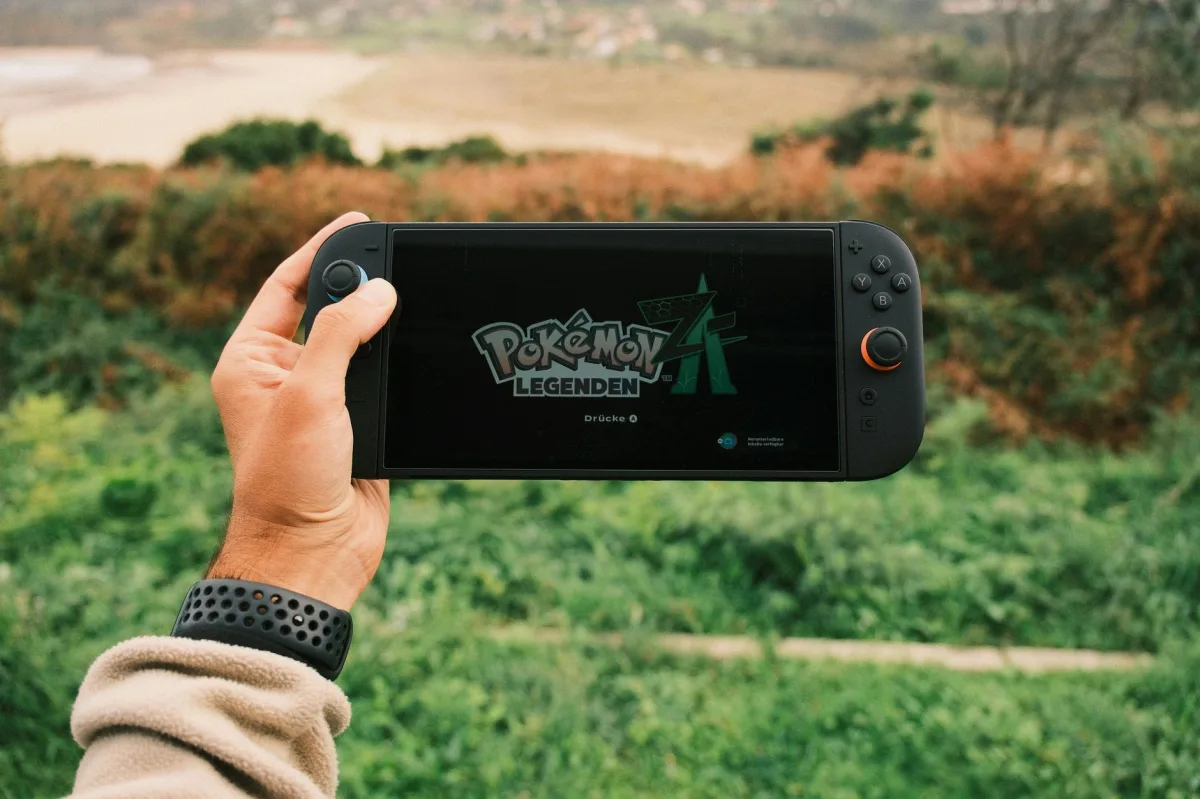
Picking The Best Pokémon Games of All Time in 2026 is less about chasing review scores and more about matching mechanics, hardware, and personal play style to the right era of Game Freak's catalog. With the Switch 2 now anchoring the franchise, older entries are easier to find than ever through remakes, virtual console, and backward compatibility, which makes the choice messier for first-time players. This guide breaks down what actually separates a great Pokémon title from a merely good one, ranks the heavyweights, and maps each game to the type of player who will get the most out of it.
Definition: Main series Pokémon games follow the standard formula: you play as a trainer who catches, battles, and trades creatures across a region-based adventure. Spin-offs and specialized titles (like Snap or Unite) bend that formula into photography, MOBA, dungeon crawling, or life-sim territory.
Overview: What Makes a Pokémon Game Great?
The short answer: a great Pokémon game blends three things at once, and most entries fall short on at least one. The titles still discussed in 2026 all nailed at least two, and the legendary ones hit all three.
Core Gameplay Elements
Every enduring entry has tight turn-based RPG mechanics, a balanced type-effectiveness chart, and a catch loop that rewards both casual and obsessive players. The original Pokémon Red set the template, and later generations layered quality-of-life features without breaking that loop. Games that botched this (some early third-party attempts) tend to disappear from conversation within a year.
Narrative Impact
Story matters, but Pokémon is famously light on plot. What elevates a title is how its region and antagonists feel, whether that's the eerie atmosphere of Pokémon Colosseum or the frontier experiments of Pokémon Platinum. Black 2 and White 2 are routinely cited on lists of best turn-based RPGs of all time partly because their post-game story content is unusually deep for the franchise.
Legacy and Influence
Some games matter more for what they introduced than how they play today. Pokémon Crystal's gender selection pioneered player choice. Mystery Dungeon: Explorers of Sky turned the franchise into one of the best roguelikes of its era. New Pokémon Snap changed what people expected a Pokémon game to look like at all. These entries earn their slots on the list through innovation, not nostalgia alone.
Why Pokémon Games Still Matter in 2026
Twenty-nine years after Red and Blue launched, the franchise is bigger than any single console cycle, and the games remain the cultural anchor for everything else: the anime, TCG, films, and merchandise. Three forces keep them relevant in 2026.
Evolving Game Mechanics
Generation 9 brought Terastallize, a system that lets Pokémon temporarily shift type and gain extra abilities, giving competitive players a new resource to optimize around. Each generation has added something: Megas, Z-Moves, Dynamax, and now Terastallize keep the core battle loop from going stale.
Community and Competitive Scene
Smogon, VGC, and Showdown keep the meta alive year-round, and a single generation shift can reroute the entire tier list. The community also drives fan projects, challenge runs like Nuzlocke rulesets, and ROM-hack culture that extends the lifespan of even the oldest entries.
Cross-Platform Accessibility
Between Nintendo Switch, the Switch 2, mobile entries like Pokémon GO and Pokémon TCG Pocket, and a steady stream of remakes, you can play some version of Pokémon on nearly any screen. That accessibility, plus the Switch's hybrid design, is why the franchise keeps finding new players in 2026.
Prerequisites & System Requirements
Before you commit to a single title, you need to know what hardware and services you actually need. Skipping this step is the most common reason people bounce off a game they would otherwise love.
Hardware & Console Choices
Classic and Game Boy Color era titles (Red, Blue, Yellow, Gold, Silver, Crystal) are playable through Nintendo Switch Online's retro library or original hardware. DS and 3DS-era games like Black 2 and White 2 are no longer in production, so you're shopping the used market. Modern mainline entries (Sword, Shield, Scarlet, Violet, Legends Z-A) require a Switch or Switch 2, with some titles like Pokopia being Switch 2 exclusives.
Software & Updates
Always run the latest system firmware and game patches before starting. Scarlet and Violet in particular shipped with bugs that subsequent updates largely ironed out, and skipping the day-one patch is a recipe for frustration.
Subscription Services
Nintendo Switch Online is required for the retro library, online trading and battling, and cloud saves. The Expansion Pass tier unlocks DLC for Sword/Shield and Scarlet/Violet, which is where most of the post-game content lives.
Top 10 The Best Pokémon Games of All Time: Expert Rankings
This list weighs innovation, replayability, critical reception, and long-tail community love. Disagreement is expected; the goal is a defensible shortlist, not a final verdict.
Classic Era (Red/Blue/Yellow)
- Pokémon Red/Blue (1996): The blueprint. Rough by modern standards (unbalanced combat meta, confusing item management, missing quality-of-life features) but historically unavoidable.
- Pokémon Yellow (1998): Refines Red and Blue with Pikachu as a partner and lets you collect all three starters. The first game many people remember as their first.
Gold/Silver/Crystal Era
- Pokémon Gold and Silver (1999): Introduced breeding, held items, and a full second region. The 3DS Virtual Console releases (2017) are still the best way to play them.
- Pokémon Crystal Version (2000): The first Pokémon game with a female protagonist option and animated sprites. Catches up in 2026 on the Switch Online catalog.
Modern Era (Sword/Shield, Scarlet/Violet)
- Pokémon Sword and Shield (2019): The series' first mainline home-console entry, with the Wild Area as a prototype for what came next. Solid, if a step sideways rather than forward.
- Pokémon Scarlet and Violet (2022): The first fully open-world mainline Pokémon game, with Terastallize as the headline mechanic. Multiplayer supports groups of up to four players, though every player needs their own console and copy. Still the most ambitious mainline entry in 2026.
Specialized Titles (Snap, Legends)
- New Pokémon Snap (2021): Changed the Pokémon game formula by focusing on photography instead of combat. Built on the photo mode concept pioneered by the 1999 N64 original. A different kind of masterpiece.
- Pokémon Legends: Arceus (2022): Blends main series and spinoff elements, dropping you into a semi-open Hisui region focused on research and stealth catching. The closest thing to a BotW-style reinvention the franchise has produced.
- Pokémon Black 2 and White 2 (2012): The only true direct sequels in the series, with a packed post-game and a story that takes its themes seriously. Routinely on any best turn-based RPG list.
- Pokémon HeartGold and SoulSilver (2009): The definitive way to play Generation 2, with the Pokéwalker pedometer bundled in. Still considered the gold standard for remakes by longtime fans.
Honorable mentions that just missed the cut: Pokémon Emerald, FireRed/LeafGreen, Colosseum, Pokémon Platinum, and the surprisingly deep Pokémon Mystery Dungeon: Explorers of Sky.
Feature Comparison Matrix
Side-by-side, the top picks reveal where each era's strengths and weaknesses sit. The numbers and features below reflect each game's launch or definitive edition.
| Title | Region / Setting | Headline Mechanic | Best For |
|---|---|---|---|
| Red / Blue / Yellow | Kanto | Foundational 151-Pokédex loop | Historians, completionists |
| Gold / Silver / Crystal | Johto (+ Kanto) | Day/night cycle, breeding | Retro RPG fans |
| Ruby / Sapphire / Emerald | Hoenn | Doubles battles, abilities | Competitive newcomers |
| Black 2 / White 2 | Unova | Direct sequel, medal system | Story-driven players |
| HeartGold / SoulSilver | Johto | Pokéwalker, remade Gen 2 | Nostalgia + polish |
| Sword / Shield + DLC | Galar | Wild Area, Dynamax | Casual console players |
| Legends: Arceus | Hisui (ancient Sinnoh) | Stealth catching, real-time battles | Open-world explorers |
| Scarlet / Violet | Paldea | Open world, Terastallize | Sandbox collectors |
| New Pokémon Snap | Lenes | Photography, no battles | Relaxed creative play |
| Pokopia (Switch 2) | TBD | Life-sim / cozy hybrid (Koei Tecmo / Omega Force) | Cozy-game fans |
Gameplay Innovations
Each generation introduced something that stuck: held items, abilities, physical/special split, Megas, Z-Moves, Dynamax, Terastallize. If you want a single mechanic-rich entry, Black 2 and White 2 or Scarlet and Violet deliver the most layered battle systems to date.
Graphics & Audio
Monster art in the original Game Boy titles has aged poorly by 2026 standards, and the limited scale of those early games shows. Crystal's animated sprites were a leap forward; HeartGold and SoulSilver's remakes are still considered peak 2D-and-3D hybrid presentation. Scarlet and Violet marked the franchise's first move to a true current-gen open world, even if performance wobbles on original Switch hardware.
Replayability & Longevity
Competitive battle towers, Nuzlocke runs, and shiny hunts extend the life of almost any title. The Let's Go games make shiny hunting easier through chain catches, and competitive team building is fast with Exp. Candies and bottle caps.
Online Features
Modern entries support trading, battling, and raids online, though cross-region matchmaking can be laggy. Pokémon Unite limits text chat by default and allows disabling voice chat, plus hides the visible scoreboard to prevent rage-quitting; the result is a friendlier MOBA than most competitors. Pokémon TCG Pocket gives two free packs daily and prebuilt decks, making it more accessible to casual fans than physical TCG, which has suffered from feature creep.
Real-World Trade-offs: What You Gain & Lose
Every entry on this list costs you something. Knowing what you give up is the difference between a confident purchase and buyer's remorse.
Hardware Limitations
Older Pokémon games no longer in production (like Black 2 and White 2) can be expensive on the used market, especially complete-in-box. The Switch's original hardware also struggles with Scarlet and Violet's open world, leading to frame drops. The Switch 2 corrects most of that, but locks some titles (Pokopia) to the new console.
Time Investment
A single mainline run takes 25 to 40 hours. A completionist playthrough with shiny hunts, competitive breeding, and DLC can stretch past 200. If your schedule is tight, the Pokémon Let's Go series is the shortest, friendliest mainline-style experience, while Legends: Arceus and Scarlet/Violet are the most open-ended.
Community Support
Newer games have active online play and Smogon tier lists, but their Discord and Reddit communities can be loud and opinionated. Older titles have calmer, more archive-style communities (Bulbapedia, Serebii) that double as encyclopedias.
Monetization & DLC
The mainline series is paid, with optional DLC tiers. Pokémon Unite and Pokémon TCG Pocket are free-to-play, which is great for casual entry but introduces gacha and battle-pass pressure over time. Choose paid single-player if you hate microtransactions; choose F2P if you want to sample the franchise cheaply.
Verdict: The single best paid entry in 2026 for most players is Pokémon Scarlet and Violet (with DLC) for its open-world scope and active competitive scene. For free-to-play, Pokémon TCG Pocket is the cleanest on-ramp for casual collectors.
Pros & Cons: Bottom-Line Takeaways
Across all eras, three patterns repeat. The classics are charming but unpolished, the modern games are ambitious but occasionally rushed, and the spin-offs offer the most surprising quality.
Pros of Classic Titles
The original Pokémon Red offered a wealth of possibility emanating from the tall grass outside of Pallet Town, and that sense of wonder still hits. Locations felt vast despite being small by modern standards. Watching Charmander evolve into Charmeleon was a moment that defined a generation of players, and that magic carries over when the games are emulated or replayed today.
Cons of Modern Releases
Technical performance, unpolished launches, and feature creep hurt recent entries. Scarlet and Violet's open world is a genuine leap, but frame drops, missing assets, and a sometimes thin story remind you that Game Freak is a small studio scaling up fast. Multiplayer requires every player to own the game and a console, which makes group sessions harder than they should be.
Hybrid Experience
The Let's Go series and Legends: Arceus blend main series and spinoff elements, and they represent the most interesting creative direction the franchise has taken. Let's Go is extremely kid-friendly, makes generation one accessible to anyone, uses 3D graphics, and pulls in Pokémon Go catch mechanics. It's not the hardest Pokémon game, nor the best generation one title, but it might be the best entry point for new players in 2026.
Common Mistakes & Troubleshooting Tips
Most regret around Pokémon purchases comes from a handful of predictable errors. Skip these and you'll save yourself hours of hassle.
Choosing the Wrong Platform
Don't buy a 3DS-era game expecting it to run on your Switch. Many physical copies of older titles only work on the original hardware or via emulators. Verify compatibility before you pay collector prices.
Skipping Updates
Modern Switch titles need day-one patches. Scarlet and Violet, Sword and Shield, and Legends: Arceus all improve significantly after their patches. A pre-update playthrough is a worse experience than a post-update one.
Ignoring Community Resources
Bulbapedia, Serebii, and Smogon are the three pillars of Pokémon knowledge. Skipping them is like playing Elden Ring without ever opening the menu: you'll stumble through things the community solved years ago.
Managing Storage & Performance
Modern Pokémon games balloon past 10 GB with DLC. Free up Switch storage before installing, and consider a microSD card if you have multiple titles. Keep your Switch vents clear; sustained open-world play generates heat that throttles performance if the console is buried in a dock or case.
Who Should Play Which Game? Persona Mapping
Match the title to the type of player, not the other way around. The table below pairs specific games to specific personas and the real-world benefit each pairing delivers.
| Target Persona | Recommended Option | Key Reason & Real-World Benefit |
|---|---|---|
| Casual Players | Pokémon Let's Go Pikachu / Eevee | Kid-friendly, short campaigns, Pokémon Go-style catching; the easiest on-ramp to the franchise in 2026. |
| Competitive Trainers | Pokémon Scarlet and Violet (with DLC) | Active VGC scene, Terastallize meta, online ranked play; ideal for players who want to ladder and breed. |
| Retro Enthusiasts | Pokémon Crystal on Switch Online | Authentic 8-bit experience with modern save backups; the cleanest way to revisit Gen 2 without hunting hardware. |
| Mobile Gamers | Pokémon TCG Pocket (iOS / Android) or Pokémon GO | Free-to-play, daily-friendly sessions, cross-region play; perfect for short play bursts during commutes. |
| Story-First Players | Pokémon Black 2 and White 2 | Deepest narrative and post-game in the series; rewards players who want themes, not just gym badges. |
| Cozy / Life-Sim Fans | Pokopia (Switch 2) | Stardew Valley-style cozy gameplay built by Omega Force; targets players who prefer farming, crafting, and low stress. |
| Photography / Creative | New Pokémon Snap | Photo-driven gameplay with no combat; great for creative types and younger players. |