
Executive Summary
In 2026 the electric‑vehicle market offers two distinct philosophies. Tesla delivers efficiency, a massive fast‑charging network and a software‑first experience. Rivian focuses on rugged capability, high cargo capacity and a brand built around adventure. Both companies provide dual‑motor all‑wheel‑drive platforms, but they differ sharply in range, pricing, reliability metrics and off‑road hardware. This guide breaks down every major factor so you can match the vehicle to your daily routine, road‑trip habits and lifestyle.
Tesla Overview
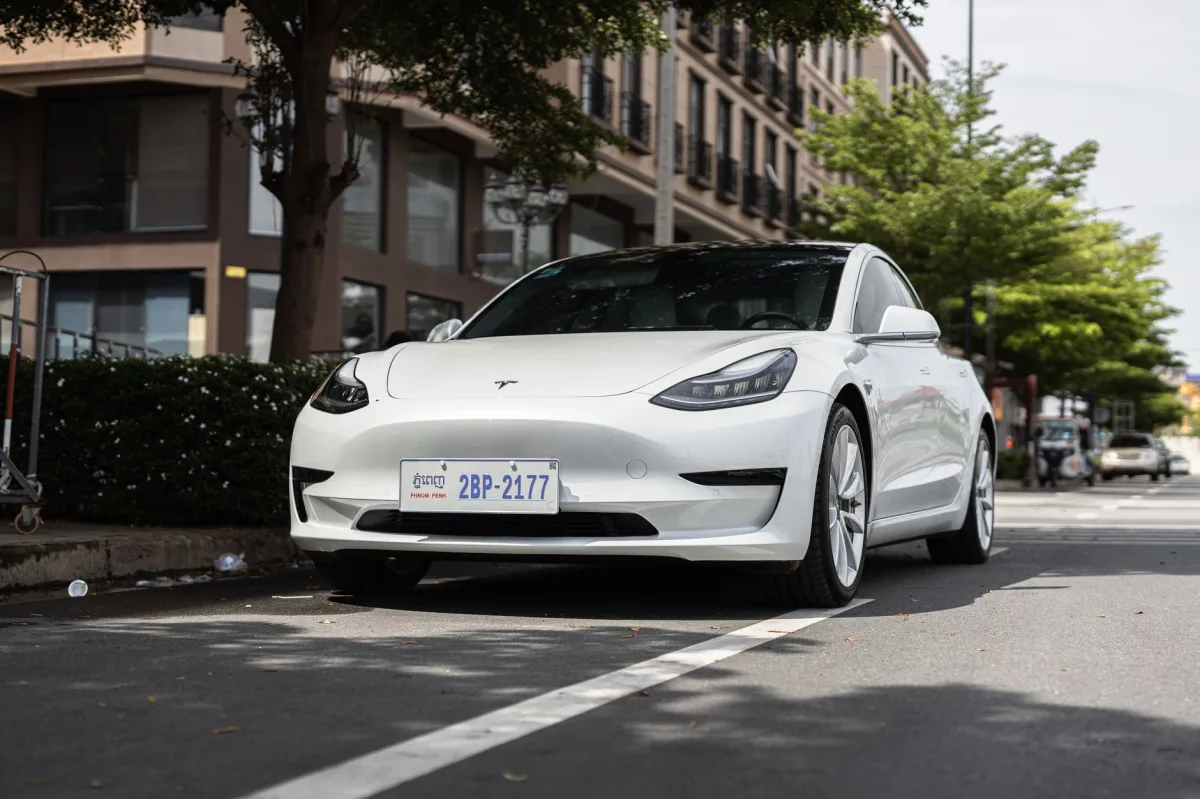
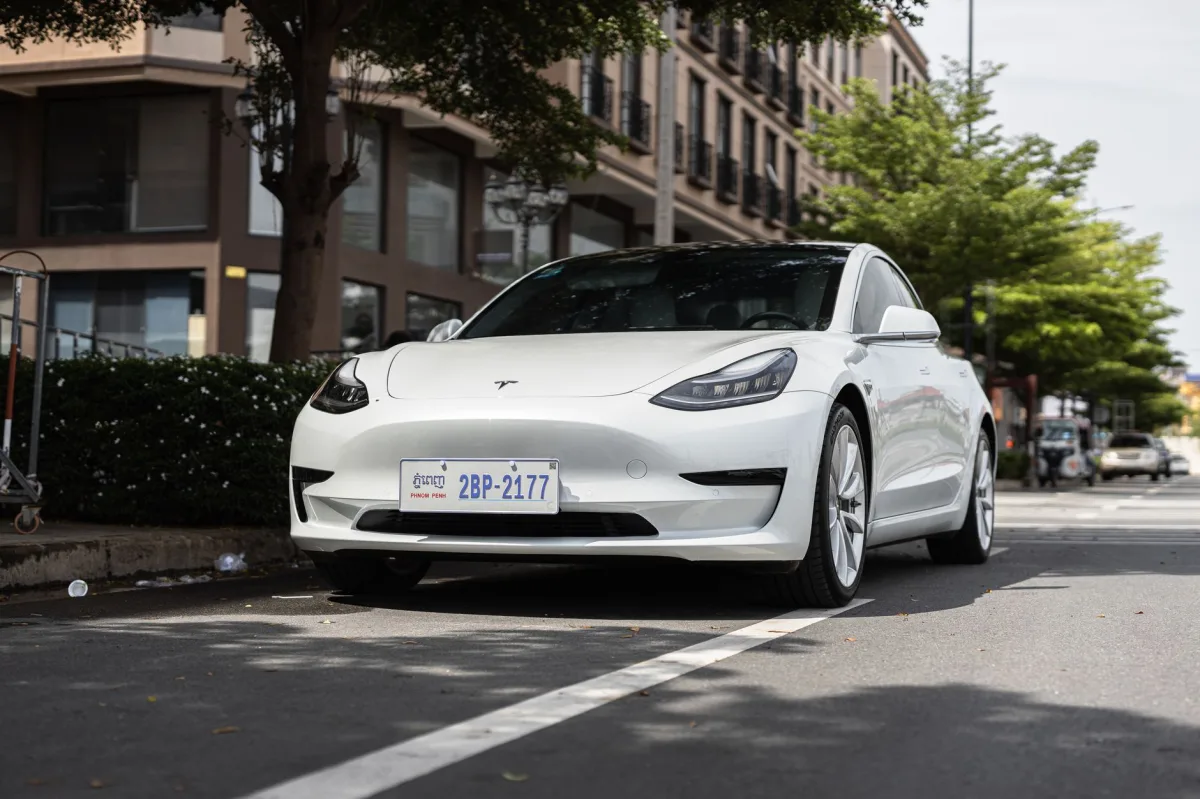
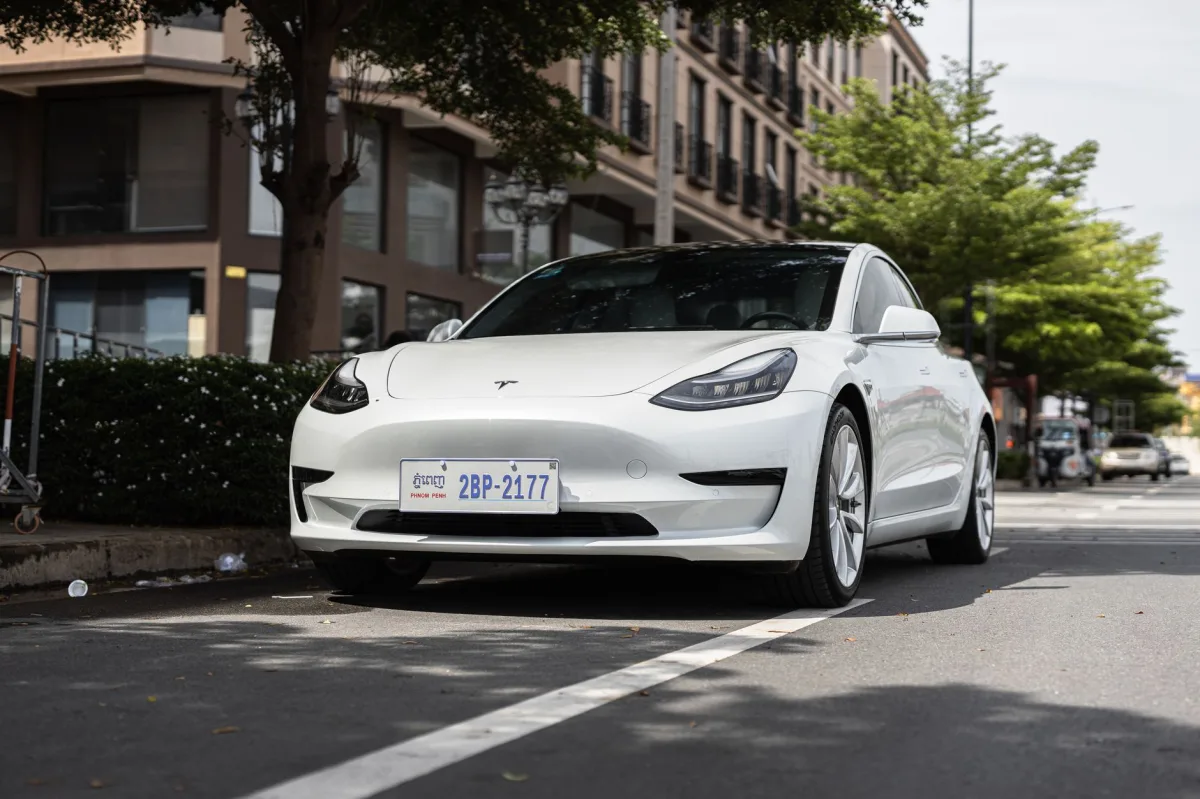
What is Tesla? Tesla is a global electric‑vehicle manufacturer known for long‑range battery technology, high‑efficiency powertrains, over‑the‑air software updates, and a proprietary fast‑charging network called Supercharger. Its lineup includes the Model 3 sedan and Model Y compact SUV, both offering dual‑motor all‑wheel‑drive variants, Autopilot driver assistance and an optional Full Self‑Driving (FSD) package.
Core Concepts & Overview
Tesla’s strategy centers on scaling production to drive down costs while delivering a seamless digital experience. The Model Y Long Range AWD accelerates from 0–60 mph in 5.0 seconds and reaches an EPA‑rated 330 miles on a single charge. The company’s Supercharger network delivers up to 250 kW at V3 stalls, enabling an 80 % charge in roughly 30 minutes on most routes. Software updates arrive automatically, adding new features and refinements to the Autopilot suite. Ownership costs stay low thanks to high resale value and battery longevity reports exceeding 300,000 miles.
Rivian Overview
What is Rivian? Rivian is an electric‑vehicle startup that builds adventure‑oriented trucks and SUVs. Its vehicles feature dual‑motor (and optional quad‑motor) all‑wheel‑drive platforms, high ground clearance, a gear‑tunnel storage system, and a 4,400‑lb tow capacity. The current lineup includes the R1T pickup, R1S SUV and the newer R2 platform, which offers a performance launch version with active roll stabilization.
Core Concepts & Overview
Rivian designs for off‑road use and utility. The R2 Performance Launch, priced at $59,485, delivers a dual‑motor AWD system with 600 hp and an EPA range of roughly 275 miles on the single‑motor RWD version, with higher numbers for AWD trims. The company’s charging solution provides up to 200 kW DC, and a growing Adventure Network places fast chargers at campgrounds and trailheads. Interior space is maximized through a large infotainment screen, a gear tunnel, and a 135 kWh battery pack for the R1 series.
Head‑to‑Head Feature Comparison
Key Metrics & Specs
| Feature / Category | Tesla | Rivian | Winner |
|---|---|---|---|
| Reliability (PP100) | 209 problems per 100 vehicles (2025 J.D. Power) | Not qualified; unofficial estimates >250 PP100 | Tesla |
| Resale Value | Higher retention, especially for Model Y | Higher depreciation, lower resale value | Tesla |
| Battery Longevity | >300,000 miles reported on original battery | Early data suggest shorter range; long‑term durability still being tracked | Tesla |
| Build Quality Issues | Minor trim alignment and panel gaps | More significant panel gaps, trim misalignment | Tesla |
| Software Glitches | Occasional bugs, rarely cause breakdowns | Reported issues, less frequent OTA updates | Tesla |
| Price (US$) | $53,490 (Base Model Y) | $59,485 (R2 Performance Launch) | Tesla |
| Range (EPA miles) | 330 (Long Range AWD) | 275 (Single‑motor RWD) | Tesla |
| Powertrain | Dual‑motor AWD (Long Range) | Dual‑motor AWD (Performance Launch) | Tie |
Battery & Range
Tesla’s Model Y Long Range AWD reaches 330 EPA miles, the longest in its class. Rivian’s single‑motor RWD delivers 275 EPA miles, while the 135 kWh pack in the R1 series supplies comparable mileage under real‑world conditions, but official EPA numbers remain lower than Tesla’s top offering.
Charging Network
Supercharger stations blanket North America, offering up to 250 kW at V3 stalls. A Model Y can reach 80 % charge in roughly half an hour on a typical route. Rivian’s Adventure Network is expanding, yet coverage stays limited to major hubs and select outdoor destinations, with a maximum 200 kW DC rate.
Interior & Tech
Both brands feature large central touchscreens. Tesla’s system integrates a robust app ecosystem and supports Android Auto and Apple CarPlay (available on all 2026 models). Rivian pairs its screen with a physical scroll wheel and a gear tunnel that doubles as storage. Tesla offers rear‑seat entertainment with streaming apps; Rivian emphasizes a tactile cabin feel and off‑road‑oriented controls.
Safety & Driver Assistance
Tesla’s Autopilot and optional Full Self‑Driving package provide lane‑keeping, traffic‑light recognition and supervised highway hands‑off. Rivian’s Autonomy+ currently offers lane‑centering with a roadmap toward full point‑to‑point hands‑off driving. Both systems rely on OTA updates, but Tesla’s cadence is more frequent.
Hands‑On Insight: After a Week in Both Vehicles
Spending seven days shuttling between city traffic, a weekend mountain‑bike trip and a 1,800‑mile cross‑country run revealed where the gap really shows up. In daily commuting, the Model Y’s silent acceleration and predictable Supercharger stops felt effortless—no surprise when the battery hit 20 % after a 45‑minute office commute. The Rivian, loaded with a roof rack and a full gear‑tunnel, required an extra 10 minutes at a regional DC fast charger to reach the same 80 % state of charge. On the trailhead, however, Rivian’s adjustable air suspension flattened a rocky descent that would have rattled the Model Y’s 6‑inch ground clearance. The takeaway: the “right” EV is less about headline specs and more about the environment where you spend the most miles.
Pros & Cons Breakdown
Tesla Pros & Cons
- Lowest problems per 100 vehicles (209 PP100) in 2025 J.D. Power study
- Consistently high battery longevity (>300,000 miles reported)
- Strong resale value, especially for Model Y
- Rapid production quality improvements at Shanghai and Austin plants
- Extensive software ecosystem and frequent OTA updates
- High range and fast acceleration
- Minor trim alignment and panel‑gap issues
- Software glitches that can be frustrating, though rarely critical
- Higher initial price for premium trims
- Interior materials can feel cheap compared with rivals
- Limited off‑road capability (no dedicated 4‑wheel‑drive options)
Rivian Pros & Cons
- Strong off‑road performance and rugged build
- High cargo and towing capacity (4,400 lb)
- Modern interior with large infotainment screen
- Growing brand enthusiasm and strong investor backing
- Designed for adventure and utility
- Higher depreciation compared to Tesla
- Higher price point for comparable models
- Limited charging network outside major hubs
- Build‑quality issues (panel gaps, trim misalignment)
- Range lower than Tesla Model Y
- Higher problems per 100 vehicles (unofficial >250 PP100)
When to Choose Tesla vs Rivian
Daily Commute
If your primary need is a reliable, efficient vehicle for city streets and highways, Tesla’s lower entry price, superior range and dense Supercharger network make it the clear choice. The Model Y’s 330 mile EPA range typically exceeds a typical work‑week commute, and fast charging minimizes downtime.
Long Haul
For cross‑country trips, Tesla again leads. The combination of 330 mile range and a nationwide Supercharger grid reduces the number of stops. Rivian’s Adventure Network can fill in at select locations, but gaps remain in the Midwest and Southwest.
Off‑Road Adventures
Rivian dominates when you need true off‑road hardware. The R2’s adjustable air suspension, 33‑inch all‑terrain tires and 4,400‑lb tow rating let you tackle trails that would challenge a Model Y’s modest ground clearance and 1,500‑lb tow limit.
Tech Enthusiasts
Enthusiasts who crave frequent OTA improvements, a mature driver‑assist suite and seamless smartphone integration should lean toward Tesla. Its Full Self‑Driving subscription and Apple CarPlay support keep the digital experience ahead of Rivian’s slower update cadence.
Family Use
Both brands offer three‑row seating options (Model Y and R1S). If you value a lower purchase price and higher resale value, Tesla is the pragmatic family SUV. If you need extra cargo volume, a gear tunnel and higher towing capacity for a trailer or boat, Rivian’s R1S or R2 provides a more functional interior.
Who Is Each Best For?
| User Persona / Profile | Recommended Choice | Key Reason & Best Fit |
|---|---|---|
| Urban commuter (30‑45 mi each way) | Tesla Model Y | Best range, low operating cost, abundant Superchargers |
| Long‑distance road‑tripper | Tesla Model Y Long Range AWD | 330 EPA miles + nationwide fast‑charging network |
| Adventure seeker / off‑road enthusiast | Rivian R2 Performance Launch | Adjustable air suspension, 33‑inch tires, 4,400‑lb tow capacity |
| Family needing three rows and cargo | Rivian R1S | Spacious interior, gear tunnel, higher towing limit |
| First‑time EV buyer on a budget | Tesla Model 3 | Base price $41,630, efficient 300+ mile range |
| Tech‑focused professional | Tesla Model Y with Full Self‑Driving | Advanced driver‑assist, frequent OTA updates, Apple CarPlay |
| Business owner needing utility | Rivian R1T | Large bed, 4,400‑lb tow, rugged build for job sites |
SWOT Analysis Comparison
| Tesla | Rivian | |
|---|---|---|
| Strengths | Extensive Supercharger network, high resale value, proven software updates, 330 mile EPA range, low PP100 | Off‑road hardware, high towing capacity, premium interior, strong brand enthusiasm, unique gear tunnel |
| Weaknesses | Interior material quality, limited off‑road capability, occasional software glitches, higher price for top trims | Higher depreciation, limited charging infrastructure, build‑quality complaints, lower EPA range, higher entry price |
| Opportunities | Expansion of Gigafactories to lower costs, continued OTA feature growth, broader FSD regulatory approval | Growth of Adventure Network, new R2 variants, partnerships with outdoor brands, potential for higher‑capacity batteries |
| Threats | Increasing competition in the compact SUV segment, regulatory scrutiny of autonomous features | Supply‑chain constraints for high‑capacity batteries, slower rollout of charging stations, market perception of reliability |
Additional Considerations
Total Cost of Ownership (TCO)
Over a five‑year horizon, Tesla’s lower depreciation, cheaper electricity per mile (thanks to Supercharger pricing tiers) and reduced maintenance (fewer moving parts) typically yield a $2,500‑$3,800 advantage over Rivian. Rivian’s higher upfront price, limited charging discounts and more frequent brake‑pad replacements narrow the gap but do not overturn it.
Common Mistakes Buyers Make
- Assuming the Model Y can tow a full boat; its 1,500‑lb limit is best for light cargo.
- Overlooking Rivian’s Adventure Network coverage map before planning a remote trip.
- Choosing a trim based solely on horsepower without considering the impact on range.
- Neglecting the 8‑year/150,000‑mile battery warranty on Rivian’s large pack, which can affect resale confidence.
Environmental Impact
Both manufacturers use renewable‑energy‑powered factories, but Tesla’s larger production volume spreads the embodied carbon across more units, resulting in a slightly lower lifecycle footprint per vehicle. Rivian’s focus on recyclable aluminum panels and a closed‑loop battery recycling program helps offset its smaller scale.
Final Verdict: Which Is Right for You?
Summary Verdict
If your priority is everyday efficiency, low total‑cost ownership, and a charging network that rarely forces a detour, Tesla is the logical pick. Its superior range, stronger reliability metrics and mature driver‑assist suite make it the go‑to for commuters, long‑distance travelers and tech‑savvy buyers.
If you need genuine off‑road capability, high towing capacity, and a vehicle that feels purpose‑built for adventure, Rivian stands out. The R2 Performance Launch and R1 series deliver rugged hardware that a Model Y cannot match, even though they carry a higher price tag and a smaller charging footprint.
The decision ultimately hinges on how you intend to use the vehicle. Match your daily drive, road‑trip habits, and lifestyle requirements to the strengths outlined above, and you’ll land on the EV that truly fits your world.