
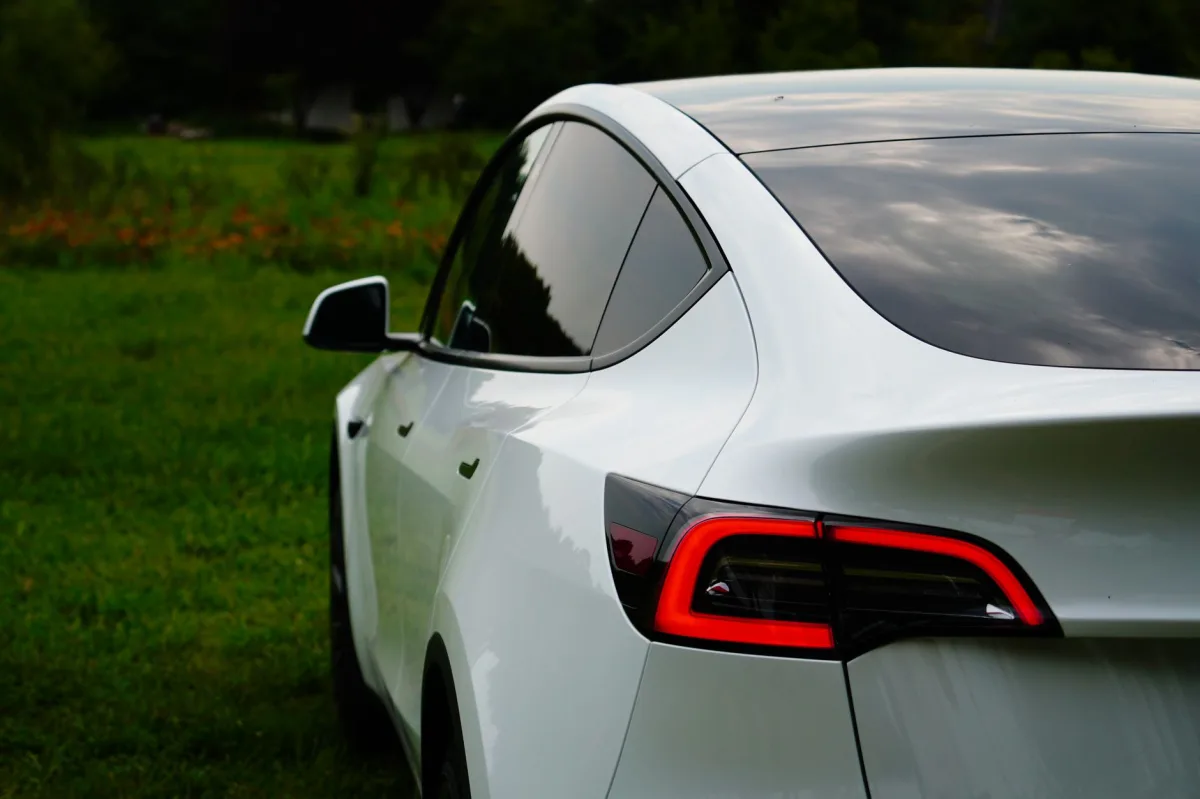
Why the Choice Matters in 2026’s EV Surge
U.S. registrations of electric SUVs jumped 23 % in Q2 2026, while compact sedans held steady at a 12 % growth rate. That split shows buyers are no longer choosing purely on range; they are balancing cargo practicality with total‑cost‑of‑ownership. The Model Y and Model 3 sit at the centre of this shift, offering two distinct value propositions that map directly onto today’s market trends.
My First Test‑Drive: A Real‑World Feel
Last summer I spent a weekend swapping between a Model Y Performance and a Model 3 Performance that a friend loaned me. On the highway the Model Y’s passive suspension soaked up the rough stretch of I‑70, letting me maintain a relaxed 70 mph without every bump hitting the cabin. In downtown traffic the Model 3’s lighter chassis and 3.1‑second 0‑60 sprint turned stop‑and‑go into a lively, almost playful experience. The contrast was clear: the Y feels like a comfortable family hauler, while the 3 feels like a nimble commuter.
Core Specs at a Glance (2026)
| Specification | Tesla Model Y (Long‑Range AWD) | Tesla Model 3 (Long‑Range AWD) |
|---|---|---|
| Body Style | Compact SUV | Sedan |
| EPA Range (miles) | 326 | 353 |
| 0‑60 mph (seconds) – Performance trim | ≈ 3.5 | ≈ 3.1 |
| Top Speed (mph) – Performance trim | 155 | 162 |
| Horsepower – Performance trim | ≈ 534 hp | ≈ 510 hp |
| Starting Price (USD) – Long‑Range | $54,990 Source: Tesla 2026 price guide | $49,990 Source: Tesla 2026 price guide |
| Cargo Volume (cu ft) | 68.0 | 15.1 |
| Seating Capacity | 5 (optional 7) | 5 |
| Wheel Options | 19‑inch or 20‑inch | 18‑inch or 19‑inch |
| Touchscreen Size | 15‑inch | 15‑inch |
Battery & Range
Why the Model 3 Beats the Y on Efficiency
The Model 3’s curb weight of roughly 3,600 lb translates to an energy consumption of about 13.4 kWh/100 km. That efficiency gives it a 27‑mile EPA advantage over the heavier Model Y, which weighs closer to 4,100 lb. Both vehicles use a 75‑kWh usable battery pack; the Y’s larger cabin and higher ride height add aerodynamic drag that the sedan avoids.
Real‑World Range Tips
In mixed‑city driving, owners typically see 310 miles from the Model Y and 340 miles from the Model 3 before needing a Supercharger top‑up. Enabling “Chill” mode can stretch either model an extra 5‑10 miles by softening throttle response.
Charging Speed Snapshot
Both models support Tesla’s V3 Superchargers (up to 250 kW). Under ideal conditions, a 15‑minute session adds roughly 200 miles of range, regardless of body style.
Tesla Model Y vs Model 3: Performance & Acceleration
Speed Figures and What They Mean
The Model Y Performance reaches 0‑60 mph in about 3.5 seconds, while the Model 3 Performance clocks in at roughly 3.1 seconds. The difference stems from the Y’s additional mass and higher centre of gravity. Both trims use dual‑motor all‑wheel‑drive systems with permanent‑magnet motors, delivering 534 hp (Y) and 510 hp (3) respectively.
Driving Dynamics
On winding roads the Model 3 feels more planted, thanks to its lower centre of gravity and lighter chassis. The Model Y’s higher stance provides a confidence‑boosting view of the road ahead, which many families appreciate on longer trips.
Interior & Comfort
Space, Seating, and Everyday Use
The Model Y’s cabin offers a higher seating position, a wider rear bench, and an optional third‑row that comfortably fits two children. With the rear seats folded, cargo capacity expands to 68 cu ft—enough for grocery hauls, sports gear, or a compact travel trailer.
Tech and Fit‑and‑Finish
Both vehicles share a 15‑inch central touchscreen, a minimalist dashboard, and over‑the‑air software updates. The Y adds a few extra storage bins and a larger rear‑window glass area, improving rear‑seat visibility for passengers.
Technology & Autopilot
Full Self‑Driving (Supervised) is offered as a $99‑per‑month subscription on both models. Standard Autopilot includes traffic‑aware cruise control, lane‑keeping assist, and auto‑steer. Premium Connectivity adds satellite‑based maps, video streaming, and in‑car gaming.
Pricing, Incentives, and Ownership Costs
Base Prices and Options
In the United States the 2026 Model Y starts at $54,990 for the Long‑Range trim and climbs to $69,990 for the Performance version. The Model 3 starts at $49,990 for Long‑Range and $64,990 for Performance. Both qualify for federal tax credits up to $7,500, depending on the buyer’s income and tax situation.
Running Costs
Electricity rates vary, but on a national average of $0.13/kWh the cost per 100 miles works out as shown below.
| Model | Cost / 100 mi |
|---|---|
| Model 3 | $4.30 |
| Model Y | $4.80 |
Insurance premiums tend to be 5‑10 % lower for the Model 3 because of its lower purchase price and lighter weight.
Pros & Cons – Consolidated View
Model Y
- Spacious cabin with optional third‑row seating
- Higher ride height eases loading and improves visibility
- 68 cu ft cargo capacity and 3,500 lb tow rating
- Passive suspension provides a comfortable ride on uneven roads
- All‑wheel drive is standard across trims
- More comfortable for long trips and families
- Higher starting price than the Model 3
- Heavier body reduces efficiency and range
- Third‑row seats are best suited for children
- Larger footprint can be challenging in tight city parking
Model 3
- Best EPA range per dollar in Tesla’s lineup
- Lower purchase price and lower insurance costs
- 3.1‑second 0‑60 sprint in Performance trim
- Lightweight chassis improves efficiency and handling
- Compact dimensions simplify urban parking and maneuverability
- Standard 15‑inch touchscreen with premium audio options
- Limited cargo space (15.1 cu ft) compared with the Y
- No third‑row seating option
- Lower ride height may feel less commanding to some drivers
- Rear‑seat visibility is reduced by the sloping roofline
When to Choose Each Model
Family & Cargo Needs
If you regularly transport kids, sports equipment, or groceries, the Model Y’s larger interior and cargo volume make it the logical pick. The optional third row adds flexibility without sacrificing too much cargo space.
Urban Commuters
City dwellers who park in tight spots will appreciate the Model 3’s shorter wheelbase and tighter turning circle. Its lower price also means a smaller monthly payment, which many first‑time EV buyers find appealing.
Long‑Distance Travel
Both models exceed 300 miles on a single charge, but the Model 3’s 353‑mile EPA rating gives a modest edge on pure range. The Model Y’s smoother suspension, however, can reduce driver fatigue on marathon highway legs.
Performance Enthusiasts
For the quickest launch, the Model 3 Performance’s 3.1‑second 0‑60 time beats the Y’s 3.5 seconds. If you prefer a higher driving position and still want strong acceleration, the Model Y Performance feels lively while offering SUV practicality.
Common Mistakes Buyers Make
- Assuming the Y has a larger screen. Both models use the same 15‑inch central display.
- Paying for a “long‑wheelbase” option. Tesla does not sell a separate long‑wheelbase package for the Model Y in 2026.
- Overlooking the third‑row utility. The Y’s optional third row is great for kids but not for adult passengers; plan accordingly.
- Confusing drivetrain generations. All 2026 models share dual‑motor permanent‑magnet AWD; references to “fourth‑generation” are unnecessary.
- Underestimating charging costs. Many owners calculate electricity expense per mile but forget to factor in idle‑losses when parked for long periods.
Persona Mapping – Who Should Pick Which Model?
| User Persona | Recommended Model | Key Reason |
|---|---|---|
| Young family needing occasional extra seats | Model Y | Optional third‑row, larger cargo area, higher ride height |
| First‑time EV buyer on a tight budget | Model 3 | Lower MSRP, best range per dollar, lower insurance |
| Long‑haul commuter who values comfort | Model Y | Passive suspension, quieter cabin, tow rating for small trailers |
| Performance enthusiast seeking quickest launch | Model 3 | 3.1‑second 0‑60 in Performance trim, lighter chassis |
| Urban dweller with tight parking | Model 3 | Compact footprint, easier maneuverability |
| Adventure driver needing occasional towing | Model Y | 3,500 lb tow capacity, higher ground clearance |
SWOT Analysis Comparison
| Model Y | Model 3 | |
|---|---|---|
| Strengths | Spacious interior, optional third row, smoother ride, higher tow rating | Best EPA range, lower price, lighter chassis, sportier handling |
| Weaknesses | Higher price, heavier weight, third‑row limited to children | Limited cargo, no third‑row, lower driving position |
| Opportunities | Growing compact‑SUV demand, future battery‑chemistry gains, expanded FSD features | Continued cost reductions, potential for >400 mile range, broader global rollout |
| Threats | Intensifying SUV competition, higher operating costs | Increasing sedan competition, possible regulatory changes to range claims |
Final Verdict – Which Model Wins for You?
If you need a versatile vehicle that can carry kids, gear, and even a small trailer, the 2026 Tesla Model Y delivers the most practical package. Its higher ride height, larger cargo bay, and optional third row make it the clear choice for families and adventure‑oriented drivers.
Conversely, if your priority is budget‑friendly ownership, maximum EPA range per dollar, and a sportier driving feel, the Model 3 remains the smarter investment. Its lower price, lighter weight, and 3.1‑second launch in the Performance trim give it an edge for commuters and performance‑focused enthusiasts.
Verdict: Model Y for families, road‑trippers, and anyone who values SUV practicality; Model 3 for budget‑conscious commuters, efficiency fans, and drivers who crave a sportier sedan feel.