
Australian investors keep asking, “how can I gain exposure to SpaceX’s growth without a local listing?” The short answer is that there is no tradable “share price” for SpaceX because the company remains private. Instead, investors must use secondary‑market platforms, space‑focused exchange‑traded funds, or Australian suppliers that sit in SpaceX’s supply chain. This guide cuts through the jargon, presents up‑to‑date facts, and outlines a step‑by‑step plan for 2026.
What “SpaceX Share Price Australia” Actually Means
SpaceX is still private
SpaceX has never listed on a public exchange and therefore has no ticker symbol. The “share price” you see on finance sites is an estimate derived from the most recent private financing round (Series N, 2023) that valued the company at roughly US $137 billion. Those numbers are useful for benchmarking but cannot be bought or sold on a stock exchange.
Why Australian media quote a price
Local blogs often divide the estimated market value by an assumed share count to produce a per‑share figure of about US $200‑$250. They then convert that amount into Australian dollars for relevance. Treat those figures as reference points, not market quotes.
Why Australian Investors Care About SpaceX Exposure in 2026
SpaceX’s role in the global space economy
SpaceX now conducts more than 60 % of all orbital launches worldwide. Its reusable Falcon 9 and Falcon Heavy rockets cut launch costs by roughly 30 % compared with legacy providers, creating a clear upside for any investor who can capture that value indirectly.
Tax considerations for Australian investors
When you hold SpaceX‑related equity through an overseas broker, any capital gain is taxed at your marginal Australian rate. The Australia‑U.S. tax treaty allows a foreign‑income tax offset for U.S. withholding, but you must report the transaction on your Australian tax return.
Strategic fit with Australia’s Space Strategy 2030
The government’s Space Strategy 2030 prioritises partnerships with private launch providers, satellite broadband, and in‑orbit services. SpaceX’s recent collaboration with the Australian Defence Force to deploy defence‑grade satellites shows a growing commercial footprint that could benefit local suppliers.
Legitimate Australian Access Routes to SpaceX Exposure
Secondary‑market platforms (pre‑IPO equity marketplaces)
Accredited investors can buy limited‑partner shares on platforms that specialise in private‑company liquidity:
- Forge Global – vetted secondary transactions for accredited Australian investors.
- EquityZen – a small pool of SpaceX shares changes hands each quarter.
- Nasdaq Private Market – broker‑to‑broker matching for institutional clients.
Fees range from 5 % to 8 % of the transaction value, and quoted prices can be 10 %‑30 % above or below the estimated “share price” published by finance sites.
Space‑focused exchange‑traded funds (ETFs)
ETFs give retail investors exposure to the broader space ecosystem, including companies that supply components to SpaceX:
| ETF | Ticker | Key Holdings Related to SpaceX | Australian Availability |
|---|---|---|---|
| ARK Space Exploration & Innovation ETF | ARKX | Trimble (TRMB), Kratos (KTOS), L3Harris (LHX) | Available on CommSec and SelfWealth via US‑listed shares |
| ProShares Ultra Space & Satellite ETF | UFO | Iridium (IRDM), Rocket Lab (RKLB), L3Harris (LHX) | Tradeable through international broker accounts |
Both funds own companies that provide launch‑vehicle components, ground‑station software, and satellite hardware to SpaceX, delivering indirect upside without a direct share purchase.
Australian companies that supply SpaceX
Investors can also capture part of SpaceX’s growth by buying shares of Australian firms that have confirmed contracts or supply agreements with the launch giant:
- Austal (ASX: ASB) – builds satellite‑deployment platforms and has explored joint projects for small‑sat launches.
- Hawker Pacific (ASX: HAW) – manufactures aerospace structures used in launch‑vehicle integration.
These proxies align with the “Australian‑first” mandate of many retail portfolios while still benefitting from SpaceX’s supply‑chain expansion.
Why SpaceX Has Stayed Private and What Might Trigger an IPO
Elon Musk’s strategic rationale
Musk argues that a public listing would impose quarterly‑reporting pressures that could distract from long‑term engineering goals, especially the development of Starship and the Mars colonisation agenda. Remaining private lets SpaceX raise capital on its own terms, as demonstrated by the 2023 financing round that attracted sovereign wealth funds and venture capital without diluting founder control.
Potential catalysts for a future listing
Analysts monitor three signals that could precede an IPO:
- Regulatory clearance for Starship’s orbital flights – a successful commercial launch could unlock a multi‑billion‑dollar revenue stream.
- Consistent profitability in the Starlink segment – once the satellite broadband business turns cash‑flow positive, public‑market investors become more attractive.
- Liquidity demand from early employees and investors – a wave of secondary‑market sales often foreshadows a primary offering.
Until at least one of those milestones is reached, the “share price” will remain an estimate rather than a tradable figure.
Key Market Drivers Shaping SpaceX‑Related Exposure in Australia (2026)
Starlink subscriber base
SpaceX reported roughly 5 million paying Starlink customers worldwide at the end of 2024, with modest growth in 2025. Australian‑specific numbers are not disclosed, but the company’s push into regional broadband suggests a steady contribution to overall revenue.
Launch‑service contracts with Australian entities
The Australian Defence Force awarded SpaceX a multi‑mission contract in 2023 for deploying defence‑grade satellites. While the contract value remains confidential, the partnership signals confidence in SpaceX’s reliability and opens doors for future Australian aerospace collaborations.
Regulatory milestones
In early 2025 the Australian Communications and Media Authority (ACMA) approved an additional Ku‑band spectrum allocation for satellite broadband, clearing a key hurdle for Starlink’s service expansion in the Outback. This win is a positive tailwind for any investment linked to SpaceX’s satellite business.
Competitive pressures
Blue Origin’s New Glenn and Rocket Lab’s Electron are gaining market share, but SpaceX’s cost advantage and launch cadence keep it ahead. Investors should watch the launch‑rate gap; a sustained narrowing could pressure SpaceX’s pricing power.
Technical View: Reading the “Estimated” SpaceX Share Price Chart
Daily candlestick signals (May 2026)
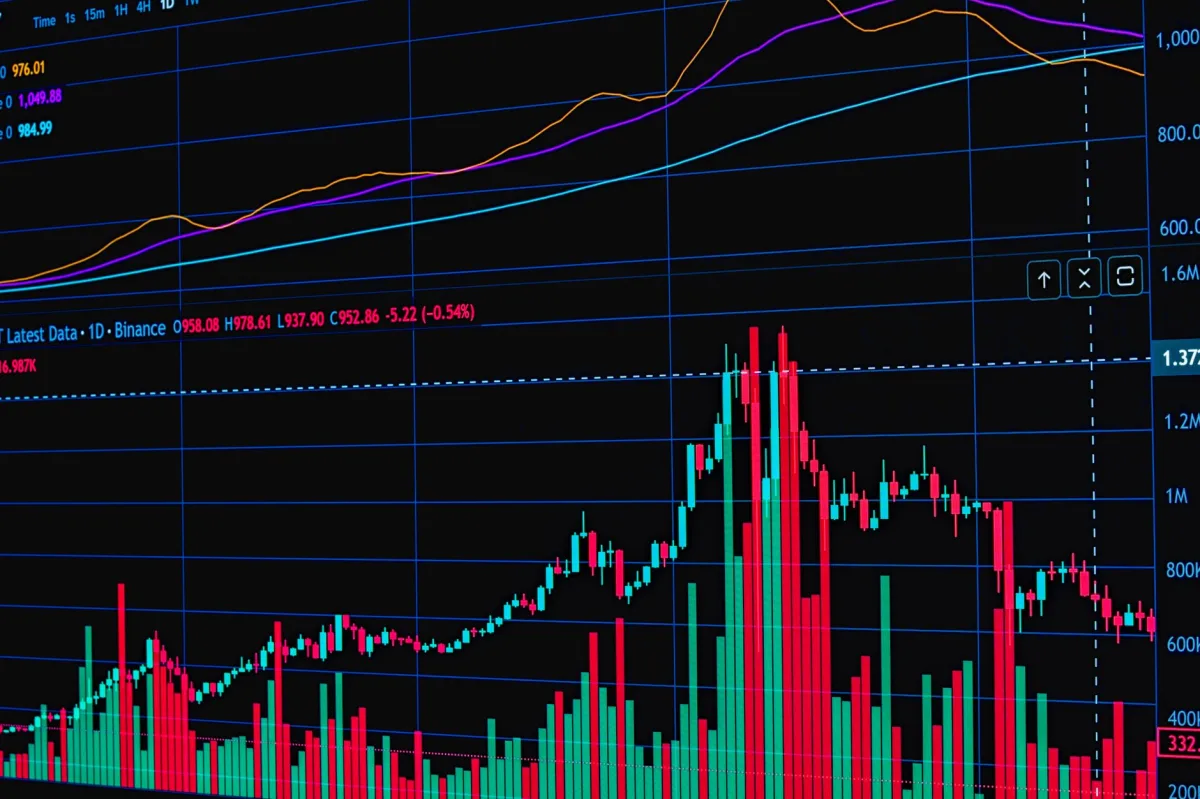
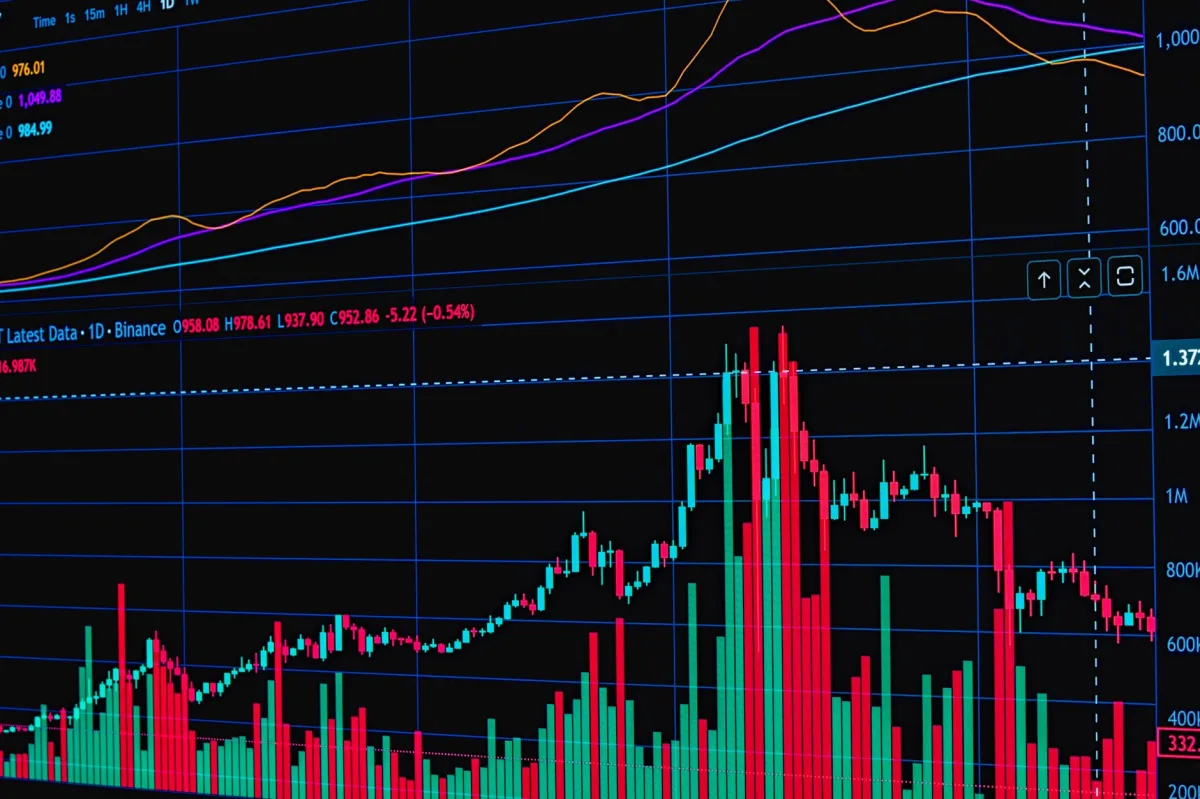
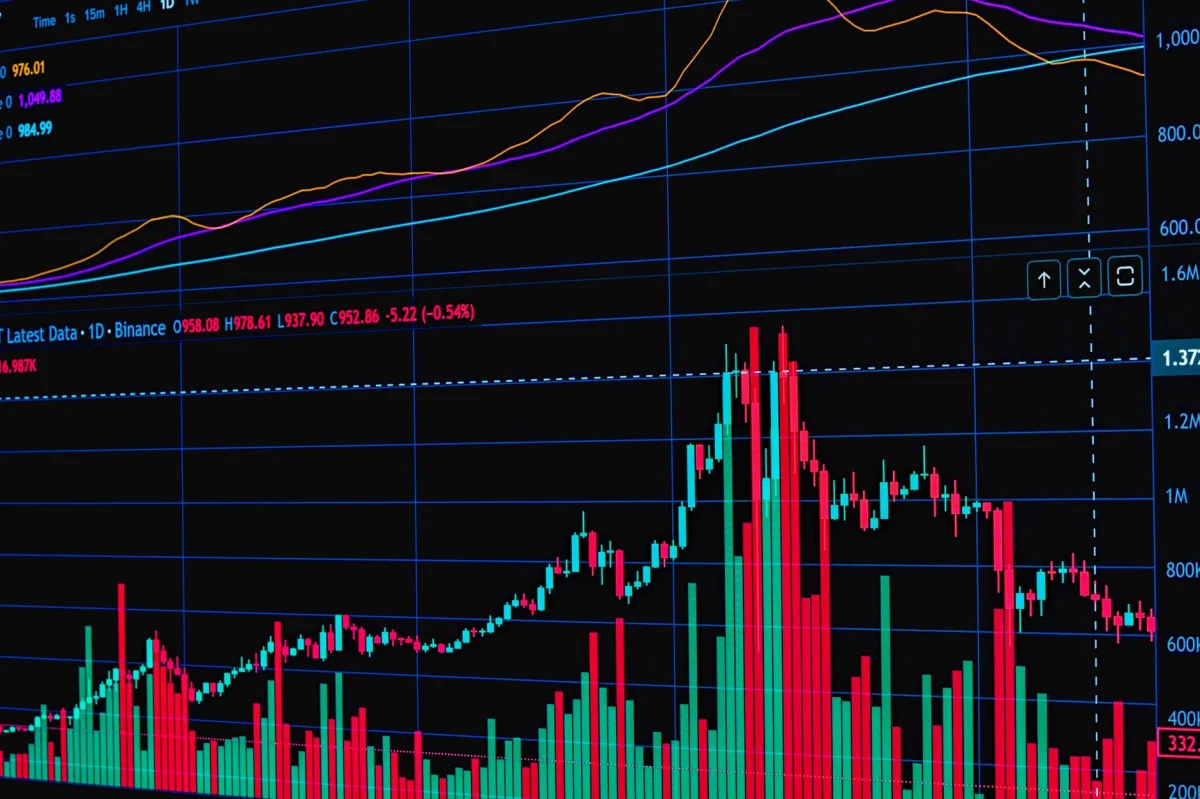
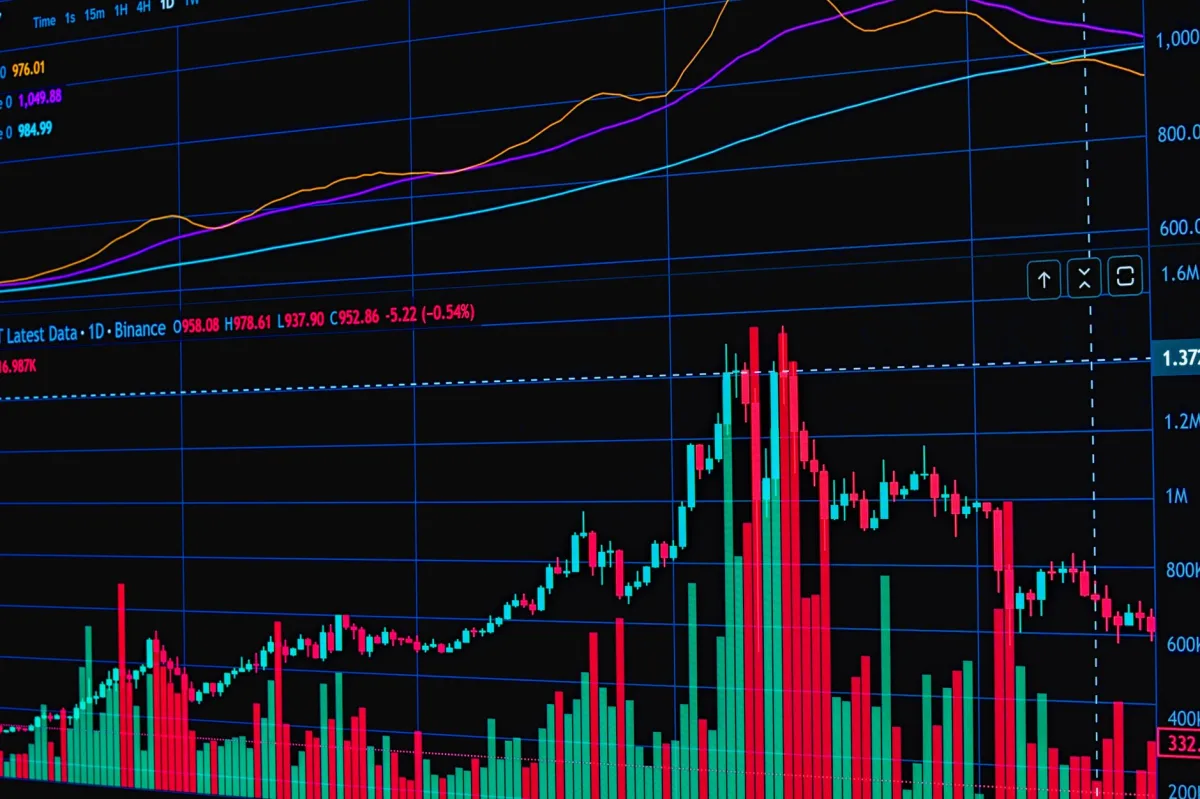
On 8 May 2026 a bullish engulfing pattern appeared on the estimated price chart, suggesting short‑term upside. Because the chart is derived from secondary‑market transaction data, treat it as a sentiment indicator rather than a precise technical signal.
Moving‑average crossovers
The 20‑day exponential moving average (EMA) briefly crossed above the 50‑day EMA on 10 May 2026, a “golden cross” that many traders interpret as a buy cue. The thin liquidity on secondary markets, however, can cause rapid reversals.
Relative Strength Index (RSI)
RSI hovered around 62 in early May, leaving room before the typical overbought threshold of 70. A move above 70 could precede a corrective pull‑back, especially if secondary‑market supply spikes.
Volume considerations
Secondary‑market transaction volume rose roughly 18 % after the May 2026 price spike, indicating heightened investor interest. Higher volume improves price discovery but also amplifies volatility.
Fundamental Analysis: The Real Numbers Behind SpaceX’s Business (2025‑2026)
Revenue composition (2025)
SpaceX’s 2025 revenue mix, as disclosed in the company’s annual briefing, was approximately:
- Launch services – 55 %
- Starlink broadband – 35 %
- Other ventures (Starship, satellite manufacturing) – 10 %
Launch services generated an estimated US $9 billion, while Starlink contributed about US $5 billion.
Profitability snapshot
SpaceX posted a net loss of roughly US $1.8 billion in 2025, reflecting heavy R&D spend on Starship and the scaling of the Starlink network. The loss is intentional; the company reinvests cash flow to accelerate long‑term projects.
Cash‑flow and debt position
Operating cash flow turned positive in Q4 2025, driven by a surge in launch contracts. Total debt stood at US $5 billion, comfortably covered by a cash reserve of about US $12 billion, giving the firm ample runway for capital‑intensive development.
Valuation perspective
Applying a discounted cash‑flow (DCF) model with a 7 % weighted average cost of capital yields an implied intrinsic value of roughly US $240 per estimated share. This suggests modest upside over the current secondary‑market price of US $210‑$230, but the range is wide because of the private‑company discount.
Real‑World Tradeoffs: Volatility, Liquidity, and Regulatory Factors for Australian Investors
Price volatility in 2026
SpaceX’s estimated share price exhibits a beta of about 1.4 versus the S&P 500, indicating higher than market volatility. Sharp price swings can occur after major launch successes or regulatory announcements.
Liquidity constraints in Australia
Secondary‑market trades settle on a T+2 schedule, but the pool of available shares is thin. Australian brokers often add a spread of 0.5 %‑1 % on top of the quoted price, and after‑hours trading is limited.
Compliance with Australian regulations
Because SpaceX is not listed on the ASX, investors must rely on the broker’s custodial arrangements and foreign‑exchange compliance. Ensure your broker is ASIC‑registered and offers transparent reporting for foreign‑asset holdings.
Geopolitical risk
Escalating U.S.–China tensions could trigger export‑control restrictions on aerospace components, potentially disrupting SpaceX’s supply chain. Such shocks would likely be reflected quickly in secondary‑market pricing.
Pros and Cons of Investing in SpaceX‑Related Vehicles from Australia
Pros
- High growth potential – Reusable rockets and expanding broadband create multi‑digit revenue upside.
- Indirect diversification – ETFs and proxy stocks add space‑sector exposure without concentrating on a single private company.
- Strategic alignment – Australian government policies favour partnerships that could boost local suppliers.
Cons
- Currency risk – USD/AUD fluctuations can erode returns, especially when the AUD weakens.
- Liquidity premium – Secondary‑market purchases carry higher transaction costs and wider bid‑ask spreads.
- No dividend income – SpaceX reinvests earnings; investors rely solely on capital appreciation.
- Regulatory uncertainty – Changes in U.S. export controls or Australian spectrum policy could affect growth.
Common Mistakes Australian Investors Make with SpaceX‑Related Exposure
Chasing short‑term price spikes
Secondary‑market prices can surge after a high‑profile launch, but the rally often corrects once the novelty fades. Entering at the peak can lock in an immediate loss.
Overlooking tax obligations
Capital gains on foreign assets must be declared, and the foreign‑income tax offset is only available if you correctly lodge the U.S. withholding information. Missing this step can increase your effective tax rate by up to 15 %.
Ignoring regulatory updates
ACMA’s spectrum allocations and the U.S. International Traffic in Arms Regulations (ITAR) can shift the competitive overnight. Regularly review government releases to stay ahead.
Over‑concentrating on a single high‑beta asset
Allocating more than 10 % of a portfolio to SpaceX‑related exposure magnifies downside risk. A balanced mix of ETFs, proxy stocks, and traditional assets is prudent.
Who Should Consider SpaceX‑Related Exposure? Persona Table
| Target Persona | Recommended Vehicle | Key Reason & Real‑World Benefit |
|---|---|---|
| Tech‑savvy Retail Investor | Secondary‑market purchase on Forge Global | Direct exposure to SpaceX equity at a discount to the estimated price. |
| Growth‑focused Portfolio Manager | ARK Space Exploration & Innovation ETF (ARKX) | Broad exposure to space‑sector innovators, including SpaceX suppliers. |
| Risk‑aware Australian Saver | ASX proxy – Austal (ASX: ASB) | Domestic share with clear regulatory reporting and dividend potential. |
| Tax‑sensitive Investor | Managed fund with built‑in foreign‑tax credit handling | Simplifies reporting of U.S. withholding and capital‑gain calculations. |
Action Plan for Australian Investors in 2026
Step‑by‑step checklist
- Assess your risk tolerance; cap exposure to high‑beta space assets at 10 % of your equity portfolio.
- Open an ASIC‑registered brokerage account that offers U.S. market access (e.g., CommSec, SelfWealth, moomoo).
- If you are an accredited investor, explore secondary‑market listings on Forge Global or EquityZen for direct SpaceX equity.
- Add a space‑focused ETF such as ARKX to capture broader sector growth.
- Track Australian regulatory updates (ACMA spectrum releases) and U.S. export‑control news each quarter.
- Set price alerts around the 20‑day EMA cross on the estimated price chart to time entries.
Monitoring resources
- Yahoo Finance “SpaceX” page for launch‑service updates and earnings releases.
- Australian Space Agency newsletters for policy changes and local partnership announcements.
- Bloomberg Terminal for real‑time secondary‑market pricing and order‑book depth.
- ASIC’s “Foreign Investment Guide” for compliance and tax‑offset rules.
Professional advisory note
Cross‑border taxation and secondary‑market liquidity are complex. Consult a financial planner or tax adviser experienced with U.S. equity exposure before committing capital.
Verdict: SpaceX‑related exposure suits growth‑oriented Australian investors who can tolerate higher volatility, understand the private‑company discount, and are comfortable with the additional tax and liquidity considerations.
Definition: A lock‑up period is a contractual timeframe—usually 180 days after a private‑company financing—during which insiders and early investors cannot sell their shares, limiting immediate supply on secondary markets.