
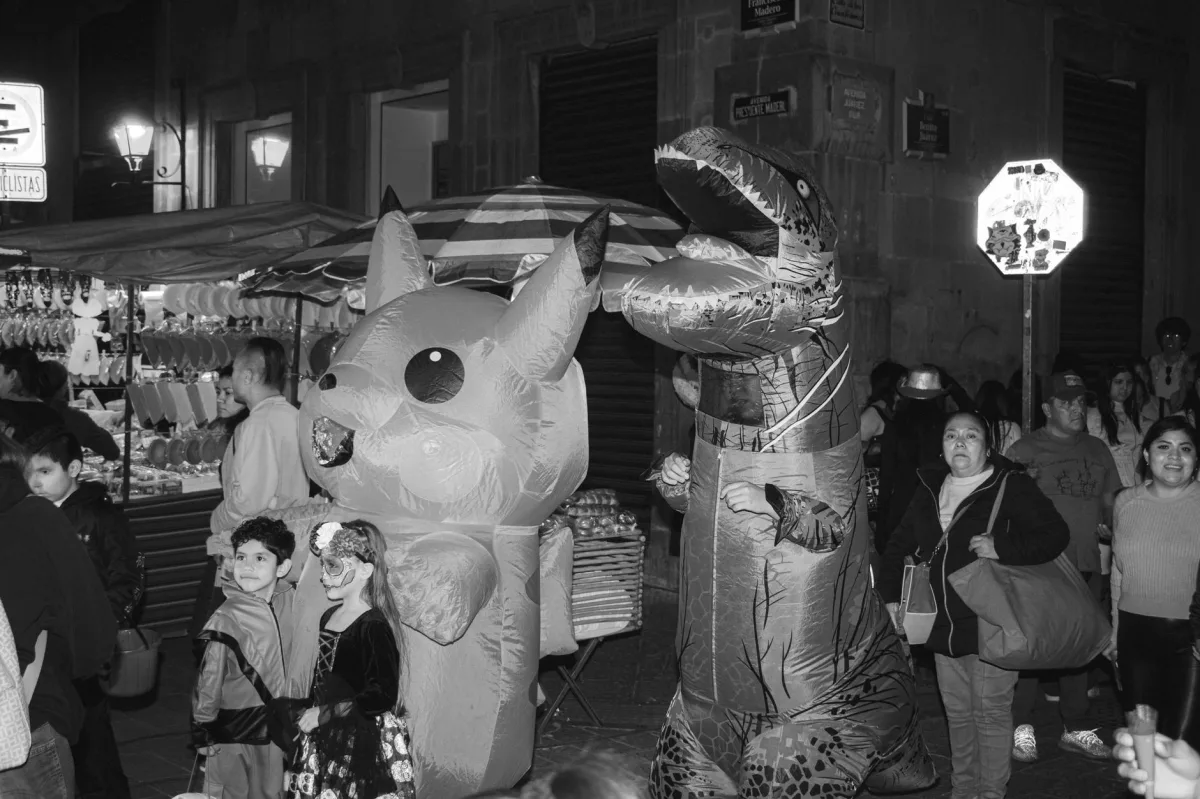
The Weirdest Pokémon Ever Created is not a single creature. It is a sprawling catalogue of design risks, mechanical experiments, and cultural punchlines that span nine generations. In 2026, with Pokémon Legends: Z-A looming on the horizon and the trading card game now generating record-setting revenue, the appetite for strange creatures has only grown. This guide ranks the most bizarre creatures, breaks down why they feel weird, and shows how to use them across games, competitive play, and collectibles.
Overview: What Makes a Pokémon 'Weird' in 2026?
Weirdness in the franchise is not just an aesthetic judgment. It blends three measurable factors: unconventional anatomy, a mechanical identity that breaks type logic, and a cultural footprint that sparks memes faster than it sparks sales. A creature like Unown is bizarre because it is functionally a typeless alphabet set, while Mimikyu reads as uncanny because of its desperation to be loved. Both score high on the weirdness scale for very different reasons.
The Evolution of Pokémon Oddities
The original 151 featured Mew as a hidden myth and Mr. Mime as a mime, but Generation II escalated the oddity arms race. Gen II gave us Lickitung's massive tongue and the eerie whispers of Unown. By Gen V, the designers at Game Freak leaned hard into odd shapes, including the haunted conifer row of Litwick, Lampent, and Chandelure. Each generation has used weird Pokémon to test the limits of what players will accept as a "creature."
Cultural vs. Mechanical Weirdness
Some Pokémon are visually strange but mechanically ordinary. Others look ordinary but play like an acquired taste. Unown, for instance, is "completely useless in battle" with "diabolical stats" and only one subpar move, yet it remains a fan favorite because the design is so conceptually bold. Lopunny falls on the opposite axis: visually a standard rabbit, but "overhyped by fans" thanks to a specific community narrative. In 2026, both flavors of weirdness are celebrated.
How 2026 Trends Shape Perception
The current era rewards creature design that translates well to short-form video and plush merchandise. Polygon noted that the franchise's merchandise line now spans Magikarp-shaped taiyaki presses, Snorlax bean bag chairs, and a literal Pikachu-ised plane. This shift rewards oddities with high visual punch, and creators respond with designs that beg to be memed. The result: 2026 weirdness leans toward the bizarre, the absurd, and the unhinged.
The Top 10 Weirdest Pokémon Ranked (2026 Edition)
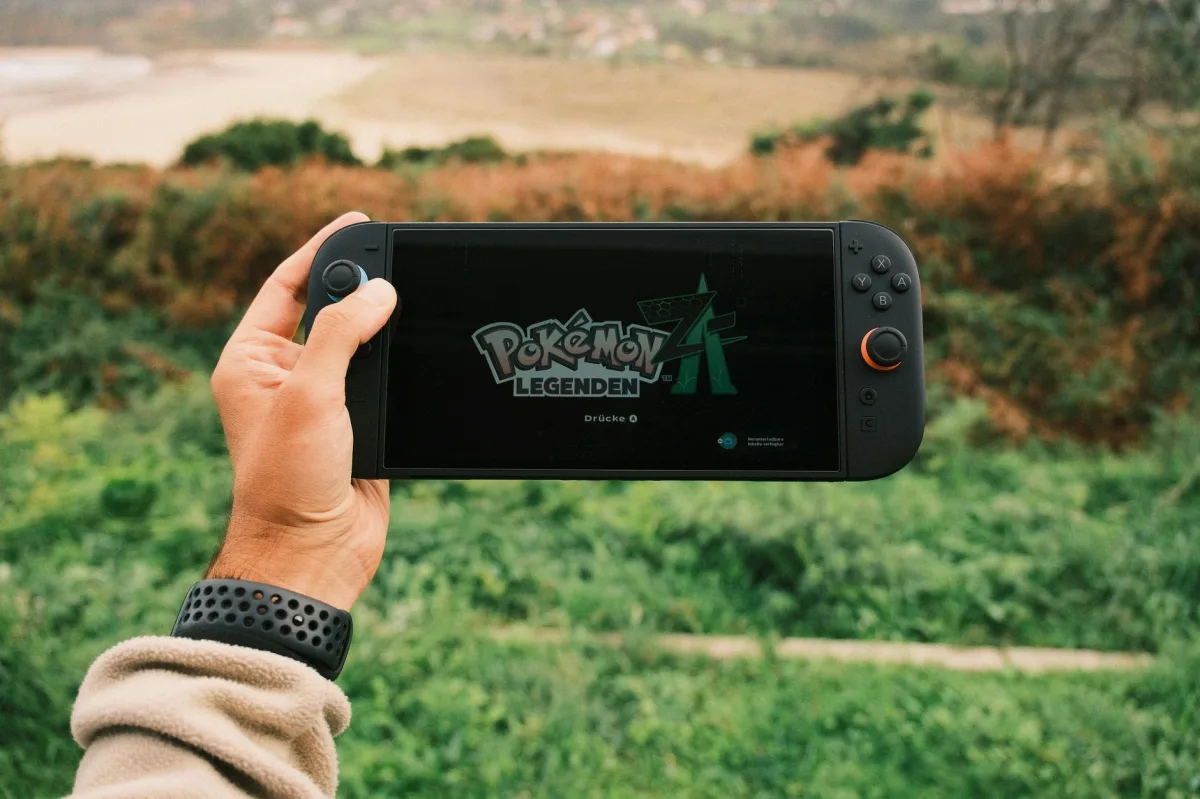
Ranking the weirdest requires weighing lore, design, mechanics, and cultural penetration. The list below combines all four. Some entries are obvious, others are deep cuts that deserve a second look.
- Mimikyu: A ghost-fairy that hides under a Pikachu rag costume because it wants friends. The lore is heartbreaking, the design is unforgettable, and competitive players adopted it for Disguise, a broken ability later nerfed. Still weird, still beloved.
- Unown: 28 forms shaped like hieroglyphs, capable of forming sentences. Battling with it is a meme. Collecting all forms is a lifestyle.
- Lickitung and Lickilicky: A pink biped with a tongue longer than its body, evolving into a creature with a rigid tongue, a WiFi symbol on its belly, and an Elvis-style quiff. The progression from tongue to wireless absurdity is unmatched.
- Gimmighoul: A chest-shaped creature that lives in coin piles and demands you carry its weight. Gen IX's strangest creation, and a narrative thread in Pokémon Legends: Z-A coverage.
- Klefki: A living ring of keys that rattles them as a defense mechanism. It has no face and no logic, yet it has run entire support sets in competitive play.
- Chandelure: A ghostly chandelier that evolves from a candle and a lamp. It is the only evolution line where you decorate your home by accident.
- Garbodor: A pile of sentient trash that takes itself seriously. The visual gag writes itself, but the typing and move pool give it real teeth.
- Ditto: A pink blob that transforms into any opponent. It is both a breeding tool and a competitive prank in one package.
- Starly and its regional cousins: A line that fans consistently call "boring and low-powered." Including it here is a meta-commentary: blandness can itself be weird after enough generations of Pidgey, Pidove, Fletchling, and Pikipek.
- Lopunny: A rabbit whose Mega Evolution became a cultural flashpoint. Even outside the controversy, its design philosophy is "ordinary mammal with a hidden edge," which is itself unusual.
Behind the Design: Game Mechanics That Spark Oddity
Designers at Game Freak use weird creatures as mechanical laboratories. A species with a strange type, a niche ability, or a stat spread that ignores meta trends often becomes the testing ground for a new system. Understanding this turns weirdness from a curiosity into a design lens.
Unique Typing & Stat Distributions
Unown is pure Psychic, but its 336 total stat budget is distributed so poorly that it functions as a curiosity rather than a combatant. Garbodor, meanwhile, is Poison-typed with surprisingly bulky defenses, a design choice that lets it survive hits and counter-meta threats. These distributions are not accidents. They are deliberate experiments that let the designers push a creature's identity into territory a balanced stat block would not allow.
Special Abilities & Move Pools
Abilities like Disguise (Mimikyu), Prankster (Klefki's support sets), and Levitate (many early oddities) turn weird creatures into competitive pillars. A limited move pool can be just as defining: Starly's low-power stab and lack of utility options keep it permanently below the radar, while Lickitung's STAB Lick and Body Slam keep it alive as a meme pick in 2026 Randbats formats. The weirder the move pool, the more personality a Pokémon projects.
Generation-Specific Design Choices
Each generation brings a different design flavor. Gen II leaned into the "psychic weird" vibe. Gen V embraced abstract, often disturbing shapes. Gen IX, anchored by Pokémon Legends: Arceus, reintroduced ancient forms and gave old creatures a regional twist. In 2026, Gen IX is also the generation that normalized Gimmighoul and its chest-bound lore, setting up Pokémon Legends: Z-A as a likely proving ground for the next wave of weird.
Cultural Influences & Fan Lore Behind Weird Pokémon
Pokémon design rarely happens in a vacuum. Cultural touchstones, from 1970s cartoons to modern gaming, leave fingerprints on the creatures that feel most alien.
Pop Culture References (e.g., R.O.B., Wii)
Some of the strangest Pokémon owe debts to broader Nintendo history. The Robotic Operating Buddy (R.O.B.), a 1980s peripheral that "read optical flashes from Nintendo Entertainment System games" and "performed corresponding actions," is widely considered a design ancestor to robot-adjacent creatures. While R.O.B. "remains an enduring mascot in Nintendo franchises," it also "had limited game support" and was "a major sales dud." That underdog energy echoes in lines like Klinklang, where industrial metal is treated as a living creature.
The Game Boy Camera and its companion Game Boy Printer are similar cultural anchors. The Printer "could print images from the Game Boy Camera via a link cable" but was an "odd and limited" accessory. Its spirit lives on in creature designs that feel like they were sketched on a Game Boy: simple, blocky, and unapologetically weird.
Mythology & Folklore Inspirations
Unown draws on ancient runes and missing-script mythology. Chandelure echoes European castle lore, where animated lighting fixtures were rumored to roam at night. Garbodor plays on Japanese yokai traditions, where inanimate objects gain spirits. These references ground strange creatures in real cultural history and give them staying power beyond the games.
Community Theories & Memes
Fan lore has done as much to define weirdness as any official statement. The "Lickitung tongue" theory, the Unown alphabet cipher, and the Mimikyu's tragic backstory all started as community readings and were later validated by Game Freak. Mashable and The Guardian have both run features on how this feedback loop shapes new creature reveals, especially around meme events in games like Pokémon Legends: Arceus.
Definition: A "shiny" Pokémon is a rare alternate-color variant of a creature. Shiny hunting on weird species like Unown or Mimikyu is a popular grind in 2026, since their unusual silhouettes make alternate palettes especially striking.
Weird Pokémon in Competitive Play (2026 Meta)
The 2026 metagame rewards utility over flash. The rise of Terastallization in Gen IX shifted which oddities are viable and which stay meme-tier. A few standouts have made the jump from joke to genuine threat.
Utility vs. Aesthetic in Battle
Competitive players in 2026 separate weird Pokémon into two buckets: utility oddities (Klefki, Mimikyu, Gimmighoul's chest form) and aesthetic oddities (Unown, Lickitung, Lopunny). Utility oddities show up in serious formats. Aesthetic oddities win Randbats hearts and get featured in content creator showcases.
Notable Team Builds Featuring Odd Pokémon
Klefki remains a premier support pick, using Prankster to spam moves like Spikes and Thunder Wave. Gimmighoul's chest form has emerged as a Trick Room setter, exploiting its bulk and 0 Speed to anchor hyper-offense teams. Mimikyu's post-nerf role is more niche but still functional, often as a lead with Disguise. Each of these builds shows that weirdness and viability are not mutually exclusive.
Meta Shifts Since Generation IX
Since the launch of Pokémon Scarlet and Violet, the meta has cycled through several banned-tier threats, and odd Pokémon have been caught in the churn. The introduction of new paradox forms and regional variants in BGR's ongoing coverage shows that even bizarre designs can warp competitive play when they hit the right stat thresholds. Watching how Game Freak balances these creatures is part of the fun of following the 2026 scene.
Verdict: If you want a weird Pokémon that actually wins games in 2026, build around Klefki or Gimmighoul. Save Unown and Lickitung for vibes and Randbats chaos.
Collecting & Trading Odd Pokémon in 2026
Collectibility is the most underrated reason to chase weird Pokémon. The TCG market, the digital trading scene, and the explosion of limited-edition merchandise have created a robust ecosystem.
Physical Card Rarity & Pricing
Cards featuring Mimikyu, Unown, and Gimmighoul command above-average prices on the secondary market. Odd Pokémon in full-art or rainbow rare form can hit four-figure sums, especially when they are chase cards from a recent set. Serebii maintains updated price trackers and rarity guides for serious collectors.
Digital Trades & Trading Card Game (TCG) Apps
Digital trading through the Pokémon HOME app and the TCG Live client makes cross-region trading more accessible. In 2026, these apps handle most of the heavy lifting, with both legal and grey-market trade communities still thriving. The rise of QR code-based encounters for regional exclusives means that even rare Unown forms can move across the globe in minutes.
Limited-Edition Merchandise (e.g., 3D-Printed Figures)
Plush lines, Nanoblock sets, and the growing "Pikachu-ised" product family (lamps, watches, piggy banks, clothes, sweets, golf bags, and a literal plane) are all relevant. Some oddball merchandise misses the mark: "reversible plushies result in lumpy Pokéballs" and "Nanoblocks are not flattering for many Pokémon." The newer wave of 3D-printed figures solves this by capturing detail that plush and block sets cannot, and 2026 has seen several limited drops for the weirdest creatures.
| Product Category | 2026 Status | Collector's Note |
|---|---|---|
| Plush / Reversible Plush | Widely available | Reversible forms often look lumpy or distorted |
| Nanoblock Sets | Steady supply | Detail is poor for complex creatures like Unown or Chandelure |
| 3D-Printed Figures | Limited drops | Best detail-to-size ratio for weird Pokémon |
| TCG Cards | High demand | Mimikyu and Gimmighoul chase cards spike in value |
| Themed Merchandise (Magikarp taiyaki press, Snorlax bean bag, Pikachu-ised plane) | Novelty market | Great for collectors, useless in battle |
Common Misconceptions About 'Weird' Pokémon
The internet's understanding of "weird" is full of half-truths. Here are the most persistent myths and the reality behind them.
Myth vs. Reality: Are They Really Unbalanced?
Many assume that weird Pokémon are also unviable. That is not always true. Klefki and Mimikyu are proof that a strange design can carry serious competitive weight. Conversely, some "cool" creatures are useless in practice, while some "ugly" ones define their tier.
The Role of Fan Art in Perceived Weirdness
Fan art can elevate or distort a creature's reputation. Mimikyu is a good example: its official design is a small ghost under a cloth, but fan interpretations have turned it into a horror icon. Treating fan art as official lore leads to misconceptions that can persist for years.
The Impact of Retro Design on Modern Perception
Older Pokémon can feel weird by modern standards. The simple sprite-based designs of Gen I and II, when seen in 2026's high-resolution games, sometimes read as strange. That does not mean they were poorly designed. It means our visual baseline has shifted, and what felt normal in 1996 now feels uncanny.
Who Should Explore the Weirdest Pokémon? (Persona Table)
Different fans approach the same creature in different ways. The table below matches common personas to the best entry point.
| Target Persona | Recommended Option | Key Reason & Real-World Benefit |
|---|---|---|
| Casual Fan | Mimikyu | Tragic backstory and Pikachu-imitating design make it instantly memorable and easy to discuss with new fans |
| Competitive Trainer | Klefki or Gimmighoul | Both deliver real utility through abilities and stats, making them viable in ranked and tournament play |
| Collector | Unown set | Twenty-eight forms, plus shiny variants, give collectors a long-term project with real market value |
| Content Creator | Lickitung or Gimmighoul | Strong visual hooks and built-in comedic lore make them ideal for video essays, reaction clips, and meme content |