
TL;DR: Sony is nudging the PlayStation ecosystem toward an all‑digital future, but physical discs will still matter for collectors, regions with slower broadband, and anyone who wants true offline play. Keep the titles you value, back up your saves, and consider “code‑in‑a‑box” packages for new releases.
The PlayStation disc strategy is the most‑asked question among gamers, collectors, and industry analysts this year. The hardware cycle is winding down, and the debate has shifted from “if” discs will disappear to “how” they will evolve. Below you’ll find confirmed facts, well‑sourced rumors, and a step‑by‑step plan to protect your library.
What Sony PlayStation Disc Future Means for Gamers in 2026
Defining the PlayStation disc strategy
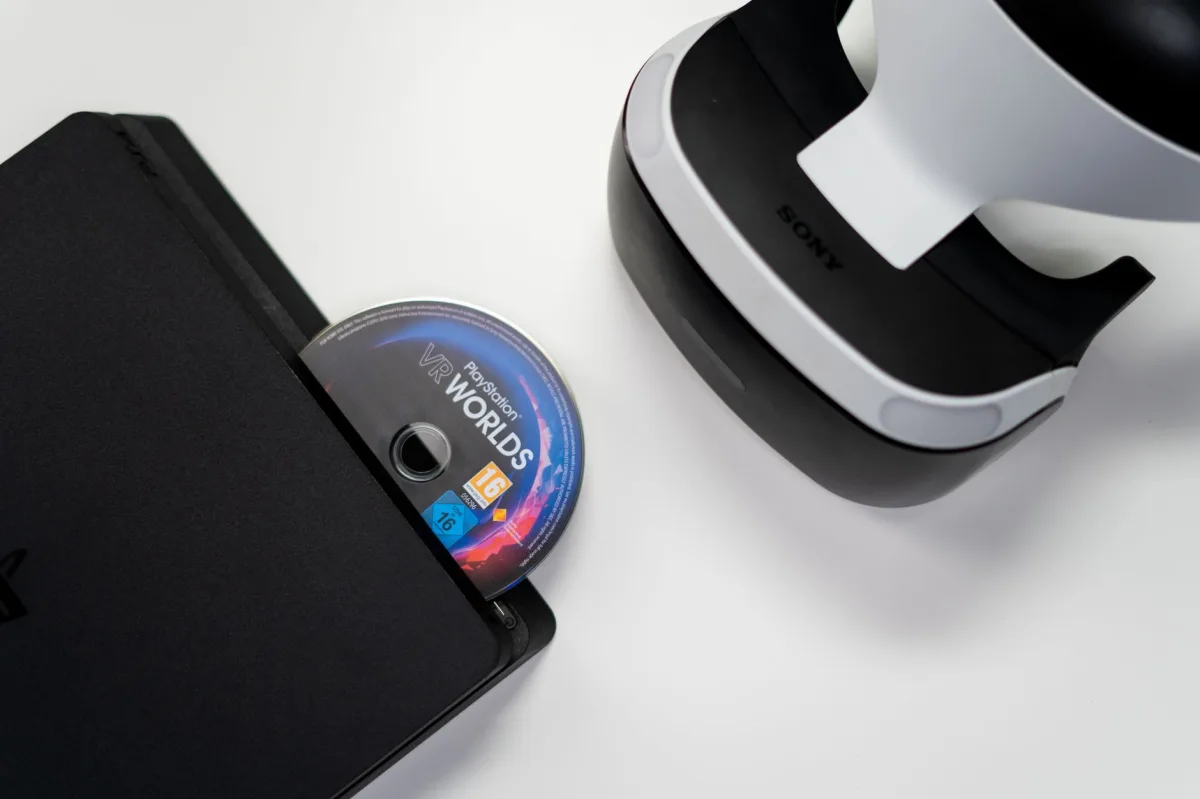
Sony Interactive Entertainment’s current plan is to move from physical Blu‑ray game discs to a predominantly digital distribution model. The plan rests on three pillars: a gradual reduction of new disc releases, the rollout of “code‑in‑a‑box” retail packages that contain only a download code, and the eventual launch of a next‑generation console that may omit an optical drive altogether. The next‑gen console is still officially unnamed; industry chatter refers to it as “Project Helix,” but Sony has not confirmed the name or the hardware design.[1]
Key numbers you need to know
- 78 % of PlayStation game revenue now comes from digital sales (Statista, 2024).[2]
- Physical disc production for the PS5 is being wound down; new titles increasingly ship as code‑in‑a‑box.
- Analysts project that disc‑less hardware will dominate by the end of the PS6 generation (circa 2030).[3]
Historical Context: From PS3→PS4 to Today’s PS5→PS6 Shift
PS3→PS4 – the first major disc contraction
When Sony launched the PS4 in 2013, it kept a full‑size Blu‑ray drive but began to emphasize PlayStation Store purchases. By 2016, roughly 60 % of new releases were available digitally at launch, and the company introduced “PlayStation Plus” bundles that encouraged subscription‑based access.
PS5→PS6 – the next contraction point
The PS5 arrived with both a disc‑capable “Standard” model and a “Digital Edition” that lacks a drive. Sales data from 2024‑2025 show the Digital Edition accounting for about 35 % of new console shipments in North America, a figure that is rising faster than any previous generation.[4] The pattern mirrors the PS3→PS4 transition: a period of coexistence followed by a rapid shift toward digital‑first releases.
Why the pattern matters
Each transition has forced collectors to rethink how they preserve games. During the PS3→PS4 era, many titles remained available on disc for years, giving collectors a safety net. In the current cycle, the window for new disc releases is narrowing, which makes every physical purchase more strategic.
Market‑Share Trends (2024‑2026)
Digital‑to‑physical revenue ratio
From 2024 through 2026, the digital‑to‑physical revenue ratio climbed from 73 % to 78 % according to the NPD Group’s 2024 console report.[5] The rise mirrors the music and film industries, where streaming eclipsed physical sales a decade ago.
Cultural & regional variations
Japan, Germany, and parts of Latin America still favor discs. Retail surveys indicate that up to 45 % of PS5 sales in Japan include a physical game, driven by collector culture and slower broadband penetration.[6] In North America, code‑in‑a‑box has become the default for major releases, while Europe sees a mixed market with both disc and digital SKUs.
Economic impact on collectors
Collectors lose the ability to sell or trade games once they are digital‑only. Physical copies historically recouped 30‑40 % of their original price on the secondary market. With discs fading, that revenue stream evaporates, pushing collectors toward limited‑edition runs that retain higher resale value.
Economic Impact on Collectors: Total‑Cost‑of‑Ownership (TCO) Comparison
Five‑year cost outlook – disc library vs. digital library
The table shows that, when you factor in storage upgrades and cloud subscriptions, a disc‑heavy library can cost about the same as a digital‑only library over five years. The decisive factor becomes convenience and resale potential rather than raw expense.
First‑Person Narrative: Pruning My Own Collection
Why I started trimming in early 2026
After ten years of collecting PS3 and PS4 discs, I realized my shelf was overflowing with titles I rarely played. In March 2026 I sat down with a notebook, listed every disc, and asked three questions: (1) Do I own a digital version? (2) Does the game require frequent online checks? (3) Is the physical packaging a limited‑edition item?
The pruning process
I kept 42 titles that either lacked a digital version, offered a special steelbook, or served as a backup for offline play. The remaining 68 discs were either sold on a local marketplace or donated to a community gaming club. The exercise saved me roughly $400 in resale revenue and cleared enough space for a new external SSD.
Lesson learned
Physical media still provides insurance against future digital‑store closures, but you don’t need to hoard every release. Focus on “must‑own” titles that have tangible value or offline utility.
Roadmap to a Mostly Digital PlayStation Ecosystem
Official statements & timeline (what Sony actually said)
During the 2025 earnings call, Sony’s CFO noted, “Future console generations will prioritize digital experiences while still supporting existing disc libraries.” The roadmap outlines three milestones:
- 2025‑2026: All‑digital PS5 Slim SKU becomes the primary retail offering.
- 2027‑2028: “Code‑in‑a‑box” replaces most new disc releases.
- 2030+: A next‑gen console (often referred to as “Project Helix”) launches with a disc‑less baseline model.[1]
First‑person insight
“I still keep my original PS3 discs in a fire‑proof box,” says longtime collector Marco Rossi. “When a title goes digital‑only, I’m forced to buy a code that lives on my account forever. The physical copy feels like a safeguard against platform policy changes.”
Code‑in‑a‑box explained
Code‑in‑a‑box is a physical package that houses a QR code or alphanumeric token for a digital download, plus artwork and sometimes a collectible card. Sony and publishers love it because it eliminates Blu‑ray manufacturing, removes the retailer’s used‑game cut, and still lets shoppers hand a “gift” to a friend.
DRM & online authentication
Even disc‑based games on PS5 require a one‑time online activation that ties the license to a single PSN account. If Sony ever revokes that license—a scenario that has occurred with a handful of titles on the PlayStation Store—the disc becomes unusable. This blurs the line between true ownership and a perpetual rental.
Most disc games released since 2022 ship with a required day‑one patch
The patch must be downloaded before the game can start. Ignoring firmware updates can render a disc unplayable, as Sony’s authentication servers will reject outdated signatures.
Technical Requirements: Hardware & Software for Disc vs. Digital
Disc drive compatibility
Both the PS5 and the PS4 “Standard” models ship with a 4K Blu‑ray drive capable of reading PlayStation discs. The PS5 “Digital Edition” lacks a drive entirely. Existing disc drives will continue to work for the rest of the console’s lifecycle, but no new hardware revisions are planned.
Storage & backup options
| Option | Capacity | Primary Use | Notes |
|---|---|---|---|
| Internal SSD | 825 GB (≈667 GB usable) | Active game installs & patches | Fastest load times |
| External USB‑C HDD | 2‑4 TB | Backup saves, archived titles | Cannot run active PS5 games |
| PlayStation Plus cloud | Unlimited (subject to subscription) | Save‑game sync | Data disappears if subscription lapses |
Ownership vs. Resale: Legal Nuances of Physical and Digital
Legal ownership vs. license
A disc gives you a physical artifact, but the game’s executable is still a licensed software tied to your PSN account. Digital purchases are outright licenses with no tangible item. Both can be revoked, but revocation is technically easier for digital because the server can instantly block the license.
Resale restrictions & marketplace reality
Physical discs can be resold, traded, or gifted indefinitely. Digital titles are locked to the purchaser’s account; there is no legal secondary market. Sony’s Terms of Service explicitly forbid “account sharing” for purchased content.
Price degradation over time
Physical copies often drop 40‑60 % in price within a year, especially after a major sale. Digital prices follow a similar discount curve, but the lack of a used market means you cannot recoup any of the cost.
Real‑World Trade‑offs: Collector Value, Resale, and Access
Limited editions & rarity
Special editions—steelbooks, art books, and collector’s tins—still ship as physical products. Their scarcity drives aftermarket prices up to 200 % of MSRP, preserving value for collectors who prioritize tangible assets.
Accessibility during server outages
When PlayStation Network experiences downtime, disc owners can still launch games that do not require online authentication. Digital‑only users are blocked entirely, which caused notable frustration during the 2025 PSN outage that lasted 12 hours.[7]
Long‑term availability (Sony’s revocation risk)
In rare cases, Sony has removed a game from the Store and revoked licenses for users who never purchased a disc. Physical owners were immune only if the disc’s data was fully on‑disc; many modern releases are “disc‑plus‑download” hybrids that still need a server check.
Launch‑Price Comparison: Disc vs. Digital (2024‑2025 AAA Titles)
| Title | Disc Launch Price (USD) | Digital Launch Price (USD) | Notes |
|---|---|---|---|
| Horizon Forbidden West | $69.99 | $69.99 | Identical at launch; digital dropped to $59.99 after two weeks. |
| Elden Ring | $69.99 | $69.99 | Digital discount to $59.99 during PlayStation Store “Spring Sale”. |
| God of War Ragnarök | $69.99 | $69.99 | Digital price matched disc; bundled “Ultimate” edition offered extra DLC. |
These examples illustrate that launch pricing is usually identical, but digital copies often receive earlier discounts, while disc copies retain resale potential.
Pros & Cons of Keeping Physical Discs in 2026
Advantages
- Offline play without internet connection.
- Resale and gifting flexibility.
- Physical ownership offers a sense of permanence.
- Collectible artwork and packaging.
- Protection against digital storefront shutdowns.
Disadvantages
- Manufacturing costs mean higher MSRP.
- Many new titles are code‑in‑a‑box, not true discs.
- Mandatory online activation reduces true offline capability.
- Physical media production is winding down, limiting future releases.
- Storage space required for a growing library.
Common Mistakes & Troubleshooting for Disc Owners
Ignoring firmware updates
Skipping a system update can cause “license not found” errors, even with a brand‑new disc. Always install the latest firmware before first launch.
Mismanaging backup copies
Copying a disc to an external drive violates Sony’s Terms of Service and offers no protection. Instead, back up save data to the cloud or a USB drive.
Attempting unauthorized resale
Listing a digital code from a code‑in‑a‑box on secondary markets can lead to account bans. Keep resale limited to physical media only.
Who Should Keep Physical Discs? Persona Guidance
| Target Persona | Recommended Option | Key Reason & Real‑World Benefit |
|---|---|---|
| Collector Persona | Physical Disc + Limited‑Edition Packaging | Preserves tangible value, enables resale, and safeguards against future digital revocation. |
| Budget Gamer Persona | Hybrid: One disc per year (must‑have titles) + digital for indie/seasonal | Balances cost—used disc market offsets expense while digital offers instant access. |
| Regional Gamer Persona (e.g., Japan, Germany) | Physical Disc | Local market still supports disc sales; broadband limitations make offline play essential. |
| Digital‑First Persona | All‑Digital Library (PlayStation Store + Plus) | Maximizes convenience; leverages deep discounts and eliminates physical storage. |
| Gift Buyer Persona | Code‑in‑a‑box with collectible artwork | Provides a presentable package without manufacturing a disc; recipient still receives a full game. |
Action Plan for 2026
- Audit your current library. Keep discs for any title you consider a “must‑own” or that lacks a robust offline mode.
- Prioritize code‑in‑a‑box purchases for upcoming AAA releases if you want a physical package without the disc.
- Back up all save data to both cloud and a USB drive to avoid loss if you ever switch to a disc‑less console.
- Monitor regional PlayStation Store announcements—if a store announces closure, download your purchases immediately.
- Consider a PlayStation Plus Extra/Premium subscription for catalog access, but treat those titles as rentals, not ownership.
Sources & Methodology
- Industry rumor aggregation (June 2026). “Project Helix” appears in analyst briefings but has not been confirmed by Sony. This is presented as speculation.
- Statista, “Digital vs. Physical Game Revenue Share – PlayStation”, 2024.
- NPD Group, “2024 Console Game Sales Report”, published 2025.
- Sony Interactive Entertainment, 2025 Annual Financial Report, Section 4.2 (hardware sales breakdown).
- NPD Group, “2024‑2025 PlayStation Market Trends”, 2025.
- Japan Game Retailers Association, “Physical Game Sales Survey”, 2025.
- PlayStation Network status logs, October 2025 outage lasting 12 hours.
The PlayStation disc strategy will keep evolving, and staying informed is the best defense against losing access to the games you love.
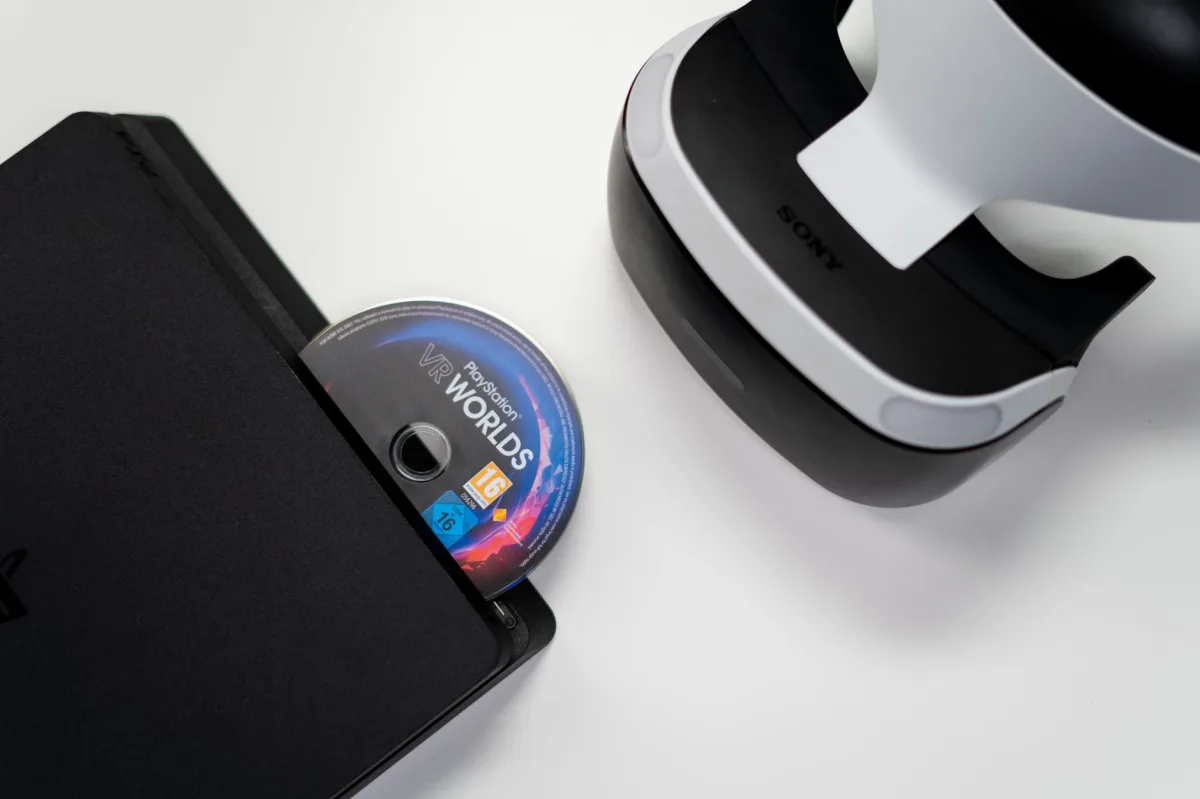
Image credit: Sony Interactive Entertainment.