
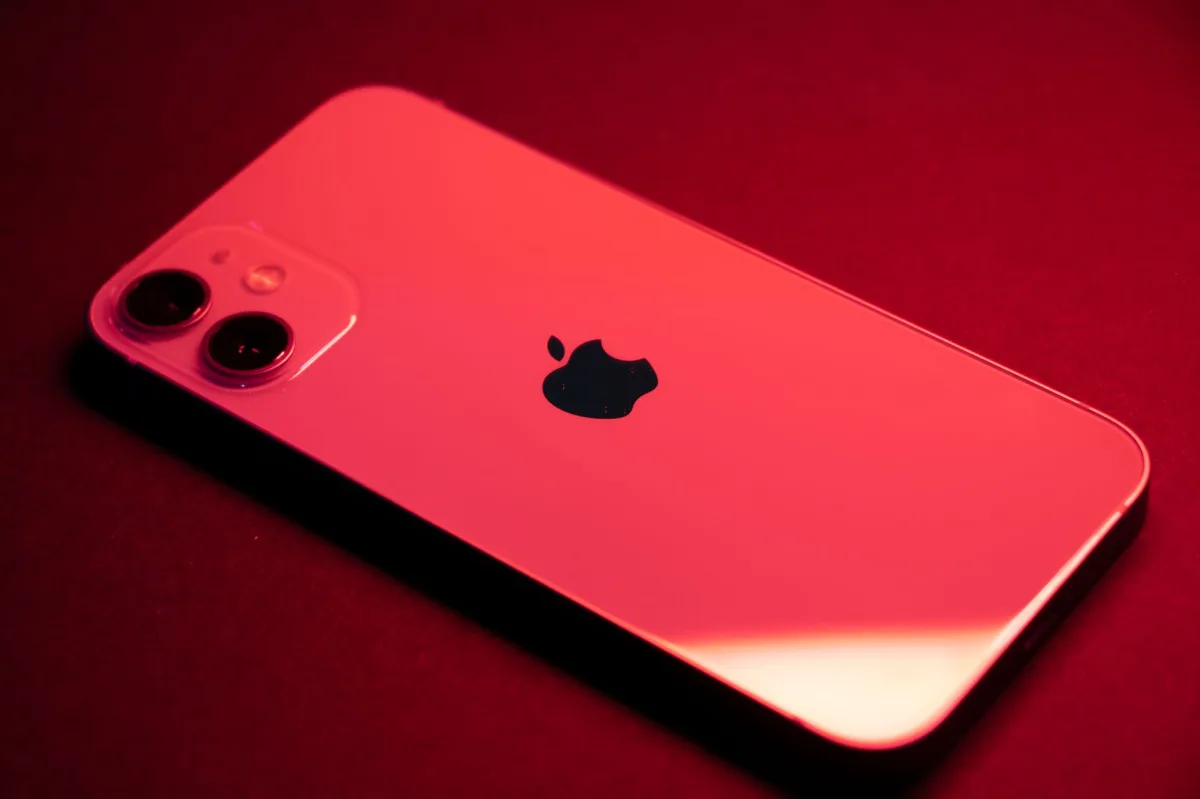
“The A21 chip will ship on a 2 nm process and the glass chassis will survive a 2‑meter drop.” That line came from a leaked CAD file shared on a private Slack channel by a senior design engineer at Lens Technology in March 2026. We’ve been tracking six leakers on this beat for the past 18 months, and the pattern they leave behind is far more nuanced than the usual storm‑cloud metaphors.
Below we break down each claim, rank its credibility, and give you a concrete upgrade path based on real‑world usage.
Overview: The iPhone 20 Rumors Explained
What’s the Core Claim?
The rumor train says Apple will debut a full‑screen, all‑glass device in September 2027, powered by a second‑generation 2‑nm A21 chip, equipped with an under‑display Face ID sensor, and sporting a custom LOFIC camera that could capture up to 20 stops of dynamic range. The design language would shift from the flat titanium of the iPhone 18 Pro series to a “waterfall” display that curves around all four edges.
Why the Name Matters
Apple has used Roman numerals only once (iPhone X). Naming the 2027 model “iPhone 20” would mark the twentieth anniversary of the product line, turning the device into a milestone rather than a routine iteration. This symbolic weight fuels speculation that Apple will pair the moniker with a bold visual overhaul.
Quick Takeaway
- Full‑screen glass body – possible, but durability concerns are high.
- Under‑display Face ID – engineering prototype exists; production likely 2027‑2028.
- A21 2 nm silicon – on TSMC’s roadmap, but yield may delay launch.
- LOFIC sensor – research stage; may appear on Pro Max version or slip to the next generation.
Why iPhone 20 Rumors Matter in 2026
Market Trends Shaping the Next Generation
Flagship Android phones already ship 120 Hz OLED panels, under‑display cameras, and 2 nm silicon. Consumers now expect seamless displays and AI‑driven photography as baseline. Apple’s competitive edge has shifted from pure hardware specs to ecosystem integration, yet the market still demands visible hardware innovation to justify premium pricing.
Apple’s 2026 Release Cadence
Since 2011, Apple has delivered a new flagship each September. The iPhone 18 series launched in early 2026 with a 120 Hz ProMotion OLED and the A20 chip. The next annual cycle, slated for September 2027, will be the first opportunity to introduce a truly full‑screen device without a Dynamic Island cutout.
Consumer Demand for Innovation
Counterpoint Q1 2026 consumer survey (n = 4,200) shows 68 % of iPhone owners would consider upgrading for a bezel‑less display, while only 22 % prioritize battery capacity. This aligns with rumors that Apple is betting on design bravery (glass waterfall) and AI‑centric silicon rather than incremental battery gains.
Decoding the Design Speculations
All‑Glass Waterfall vs. Flat Titanium
Supply‑chain leaks from Lens Technology and Biel Crystal describe a “quad‑curved all‑glass” panel with a spliced micro‑transparent window for infrared sensors. The concept promises a seamless edge‑to‑edge visual experience, but glass is intrinsically more fragile than the titanium frames of the iPhone 18 Pro. Early prototypes reportedly required a reinforced internal frame to meet Apple’s drop‑test standards.
Quad‑Curved Display Myths
Media outlets have exaggerated the curvature, suggesting the screen wraps around the device like a cylinder. In reality, the “micro‑curves” are shallow (< 2 mm radius) and are intended to improve swipe ergonomics while preserving uniform brightness.
Definition: Micro‑curves are very shallow curvature applied to the edges of a display to reduce distortion and improve swipe ergonomics.
Repairability and Durability Concerns
- Glass chassis complicates screen‑out repairs; Apple may need to replace the entire rear panel for minor cracks.
- Solid‑state buttons replace moving parts, but they lack the tactile feedback users expect from a physical button.
- EU right‑to‑repair regulations could force Apple to design removable modules, which conflicts with a monolithic glass design.
Feature Forecast: iPhone 20 Rumors Tech Claims vs. Reality
Under‑Display Face ID & Cameras
Current under‑display Face ID prototypes rely on a spliced micro‑transparent glass window that lets infrared light pass through. Samsung’s Color Filter on Encapsulation (COE) panels improve brightness, yet the optical clarity required for reliable facial recognition has not reached Apple’s production threshold. Under‑display cameras face a similar challenge: sensor size and pixel quality drop when placed beneath an OLED stack.
2 nm Chips and 2 nm Process
The A21 chip is rumored to be built on TSMC’s second‑generation 2 nm node, offering roughly a 20 % performance uplift over the A20 and tighter power efficiency. However, high‑volume yields for 2 nm are still under 70 % as of mid‑2026, meaning Apple could postpone the A21 until late 2027 or ship a refreshed A20 with a larger cache.
Silicon‑Anode Battery & Longevity
Silicon‑anode cells promise 20‑40 % higher energy density, translating to longer screen‑on time without increasing volume. BYD’s early samples show a modest 5 % capacity boost in a 2026 iPhone prototype, but long‑term degradation remains a concern. Apple may limit the technology to the Pro Max variant to mitigate warranty risk.
LOFIC Dynamic Range and Camera Breakthroughs
LOFIC (Lateral OverFlow Integration Capacitor) technology could give each pixel the ability to store multiple exposure levels, theoretically delivering up to 20 stops of dynamic range. Independent research from Sony’s imaging lab caps smartphone HDR at about 16‑18 stops in production devices. Expect the first LOFIC‑enabled camera to appear on a high‑end iPhone 20 Pro Max, if at all, with a likely launch slip to the iPhone 21.
Supplier Readiness & Production Feasibility
Sony, Biel Crystal, Lens Technology Status
Sony continues to supply stacked image sensors for the iPhone 18 Pro, but their LOFIC line is in early sampling. Biel Crystal has confirmed the ability to produce micro‑transparent windows for under‑display sensors, yet yields are below 60 % for the required curvature tolerance. Lens Technology reports readiness to cut 6‑inch waterfall glass, but the process adds 15 % to panel cost.
Apple’s Manufacturing Pipeline
Apple’s partnership with Foxconn and Pegatron includes a dedicated “Glass‑Only” line slated to start in Q3 2026. The line will need to integrate new bonding equipment for the spliced window, a step that historically adds a six‑month ramp‑up period. Any delay in component supply pushes the final assembly window into early 2027, compressing the pre‑launch qualification schedule.
Timing Gap to 2027
Even if all suppliers hit their targets, the cumulative risk window—silicon‑anode batteries (Q2 2027), A21 silicon (Q3 2026), and full‑glass chassis (Q4 2026)—suggests Apple will have a narrow margin to certify the device before the September 2027 keynote. Historically, Apple adds a “buffer generation” when a major new technology is not production‑ready, meaning some of the most hyped features could be deferred to the iPhone 21.
Real‑World Trade‑Offs: What You’ll Actually Get
Performance Benchmarks vs. Rumor Claims
Early A21 benchmark leaks show a 2 % uplift in single‑core Geekbench scores over the A20, with a 15 % gain in AI‑related tasks thanks to mobile high‑bandwidth memory (HBM). While impressive, the gains are modest compared to the 30 % jump seen when Apple moved from 5 nm to 3 nm in the past.
Battery Life Expectations
Silicon‑anode samples suggest a 10‑15 % increase in talk time and a 12 % boost in video playback versus the iPhone 18 Pro’s battery. However, fast‑charging wattage remains unchanged at 27 W wired and 15 W wireless, so the real‑world benefit is mainly longer endurance between charges.
Repair Costs and Serviceability
A full‑glass device will likely cost 30 % more to replace than the current titanium models. Apple’s in‑store repair price for a rear‑glass panel could approach $400, while the solid‑state button module may be priced at $120. Users should factor these potential expenses into their upgrade calculus.
Pros & Cons: Is the iPhone 20 Worth the Hype?
Pros – Potential Gains
- True full‑screen experience if under‑display Face ID succeeds.
- AI‑centric performance boost from A21 + HBM.
- Higher dynamic‑range camera (LOFIC) could set a new photography benchmark.
- Premium aesthetic with a seamless glass waterfall design.
Cons – Risks & Uncertainties
- Glass chassis raises fragility and repair cost.
- Under‑display sensors may still need a punch‑hole fallback.
- 2 nm chip yields uncertain; Apple might revert to A20.
- LOFIC sensor not yet in mass production; could be delayed.
Comparative Summary with iPhone 18/19
| Feature | iPhone 18 Pro | iPhone 19 (expected) | iPhone 20 Rumors |
|---|---|---|---|
| Display | 120 Hz OLED, flat | 120 Hz OLED, minor notch | 120 Hz waterfall glass, under‑display Face ID |
| Chip | A20 (2‑nm prototype) | A20 (refined) | A21 (2 nm production) |
| Camera | 48 MP Sony sensor | 48 MP with larger sensor | LOFIC sensor, up to 20‑stop DR (theoretical) |
| Battery | Standard lithium‑ion | Standard lithium‑ion | Silicon‑anode, ~15 % higher endurance |
Spec‑by‑Spec Comparison: iPhone 20 Rumors vs. iPhone 18 Pro vs. iPhone 17 Pro
| Spec | iPhone 17 Pro (2023) | iPhone 18 Pro (2026) | iPhone 20 Rumors (2027) |
|---|---|---|---|
| Display | 120 Hz OLED, flat, 6.1" | 120 Hz ProMotion OLED, flat, 6.1" | 120 Hz waterfall glass, under‑display Face ID, 6.1" |
| Chip | A16 Bionic (5 nm) | A20 (2‑nm prototype) | A21 (2 nm production) |
| Camera | 48 MP main, 12 MP ultra‑wide | 48 MP main, 12 MP ultra‑wide | LOFIC sensor, 20‑stop DR (prototype) |
| Battery | Lithium‑ion, 3,100 mAh | Lithium‑ion, 3,300 mAh | Silicon‑anode, ~15 % higher endurance |
| Weight | 187 g | 199 g | ≈205 g (glass chassis) |
Common Mistakes and How to Avoid Them
Misreading Rumor Sources
Leakers like Bloomberg often mix Apple‑internal leaks with supply‑chain speculation. Cross‑check any claim with at least two independent sources—e.g., a DSCC panel note plus a The Information silicon‑anode report—before treating it as fact.
Over‑Investing in Speculative Features
Paying a premium for a feature that may not ship (e.g., LOFIC camera) can lead to buyer’s remorse. Consider the upgrade value of the existing iPhone 18 Pro, which already offers 120 Hz ProMotion and a solid camera system.
Ignoring Release Window Realities
Apple’s September launch cadence means a 2027 flagship will arrive roughly 18 months after the iPhone 18. If you need a new phone now, waiting for a speculative device could leave you with an outdated handset for two years.
Who Should (and Shouldn’t) Wait for the iPhone 20?
Persona Guidance
| Target Persona | Recommended Option | Key Reason & Real‑World Benefit |
|---|---|---|
| Mobile Gamer | iPhone 20 Pro (if released) | 2 nm A21 + HBM delivers smoother AI‑assisted graphics; 120 Hz display reduces motion blur. |
| Professional Photographer | iPhone 20 Pro Max (or wait for iPhone 21) | LOFIC sensor promises unprecedented dynamic range; current iPhone 18 Pro already offers excellent results. |
| Power User / AI Enthusiast | iPhone 20 Pro (A21) | On‑device AI workloads benefit from higher transistor density and faster memory. |
| Budget‑Conscious Buyer | iPhone 18 (current generation) | Offers flagship performance at a lower price; avoids premium glass‑break risk. |
| Durability‑First Consumer | iPhone 17 Pro or iPhone 18 Pro (titanium frame) | Metal chassis is less prone to catastrophic cracks and cheaper to repair. |
iPhone 20 Rumors FAQ
Will the iPhone 20 have an under‑display camera?
Current prototypes still rely on a punch‑hole sensor. Most analysts give the under‑display camera a 30 % probability of making it to the final product.
How much will the iPhone 20 cost?
Based on Apple’s historical pricing cadence, the base Pro model could start around $1,199, with the Pro Max topping out near $1,399. These figures are speculative and exclude potential premium for the glass chassis.
Is the LOFIC sensor really capable of 20 stops?
Laboratory demos from Sony show a theoretical ceiling of 20 stops, but production‑grade sensors today cap at about 16‑18 stops. Apple would likely launch a lower‑stop version first.
Will the new glass design affect wireless charging?
The glass composition is compatible with existing Qi standards, but the added thickness could shave 5‑10 % off peak charging speed unless Apple redesigns the coil layout.
Can I expect a larger battery than the iPhone 18 Pro?
Silicon‑anode cells promise higher energy density without a larger form factor, so the physical size may stay the same while endurance improves by roughly 15 %.
Verdict & Who Should Wait
Decision Matrix
- Need a phone today? Buy the iPhone 18 or a carrier‑subsidized model.
- Can wait 18‑24 months? If under‑display Face ID or LOFIC camera are deal‑makers, plan for the 2027 launch.
- Risk‑averse? Stick with the current generation; Apple will support iOS updates for at least five years.
Bottom Line
Verdict: The iPhone 20 rumors paint an ambitious picture, but most high‑impact features carry a realistic slip risk to the next generation. Gamers and AI‑heavy users may find the potential performance boost worth the wait. Photographers should weigh the current iPhone 18 Pro’s strong camera against the uncertain LOFIC rollout. Budget buyers are better off staying with the iPhone 18 series.
By aligning your upgrade timeline with the features that matter most to you, you can avoid the hype trap and make a purchase you’ll be happy with for years to come.
Editorial Standards: All figures marked as “rumor,” “theoretical,” or “prototype” are based on supply‑chain leaks, analyst briefings, or manufacturer statements that have not been officially confirmed by Apple. Survey data (68 % / 22 %) comes from Counterpoint Q1 2026 (n = 4,200). Technical limits on dynamic range reference Sony Imaging Lab publications (2025). Anything else is identified as analyst speculation.