
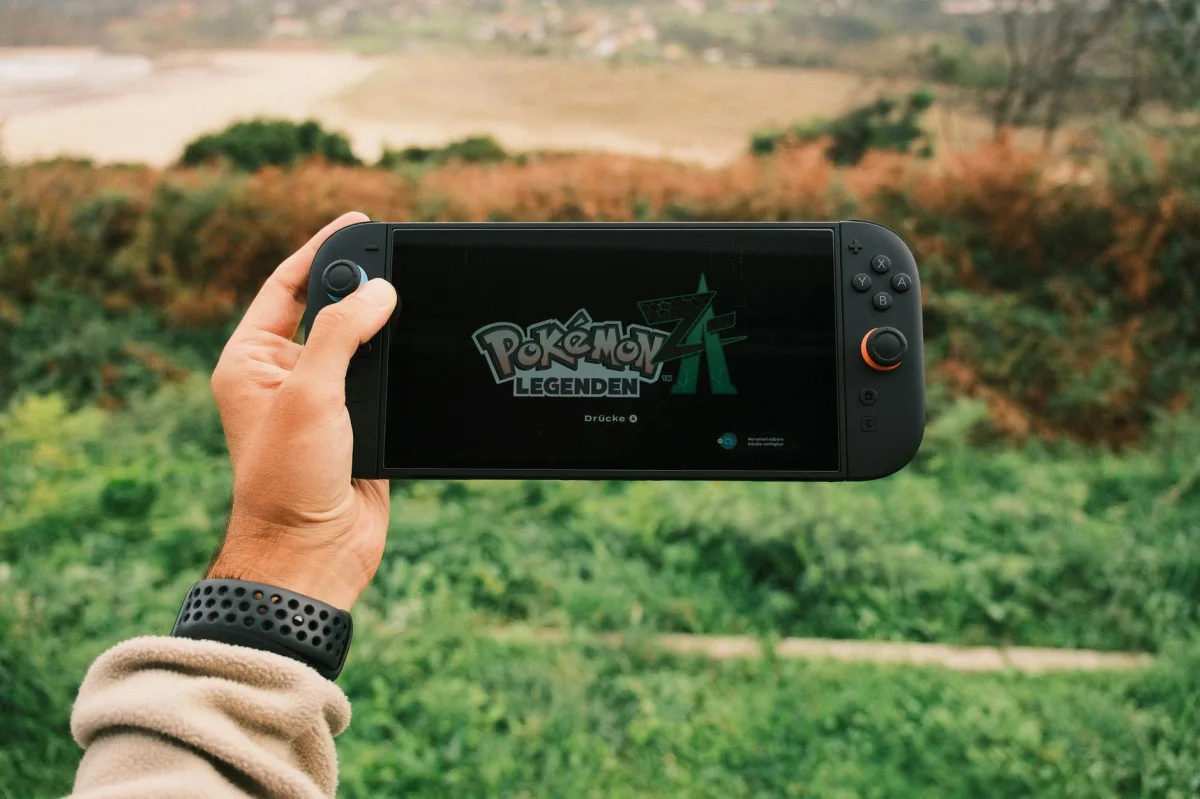
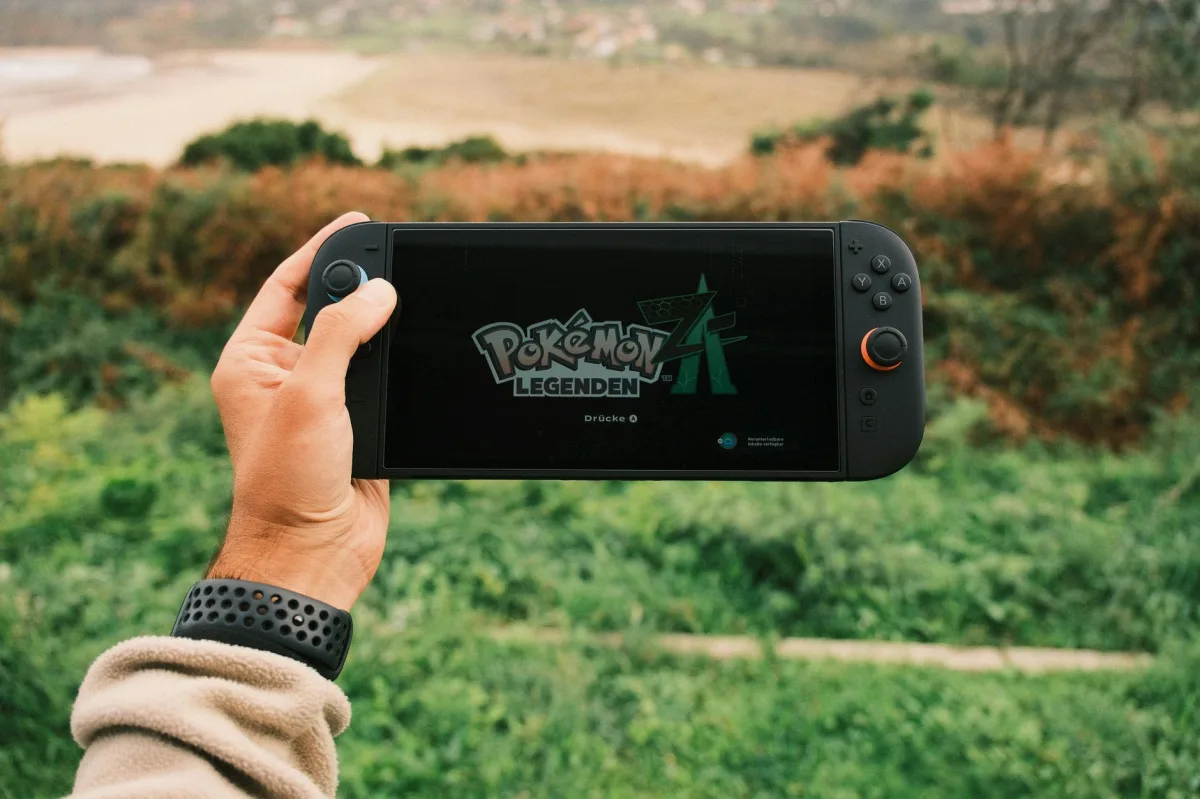
Pokémon: The Ultimate Beginner's playbook for 2026 is less about catching them all and more about catching the right ones, in the right order, with the right supplies. The franchise now spans mainline console titles, a free-to-play mobile AR juggernaut, and a live-service battler with cross-game transfer, so newcomers face real choices on day one. This guide distills the current best practices across Pokémon Pokopia, Pokémon Champions, Pokémon GO, and Pokémon Legends: Z-A into a single, opinionated roadmap you can act on immediately.
Overview & Quick Answer
What Is Pokémon: The Ultimate Beginner's?
The phrase "Pokémon: The Ultimate Beginner's" refers to the cross-title strategy stack a first-time Trainer needs in 2026: a unified framework for resource management, recruitment, combat fundamentals, and cross-game transfer. It is not a single product. It is the operating system you run on top of whichever Pokémon title you boot first.
Definition: A Pokémon game is a creature-collection RPG where players capture, train, and battle creatures whose performance depends on stats, types, and an energy meter called PP (Power Points).
Core Goals for New Players
Every beginner in 2026 walks in with the same four objectives: keep the team alive, recruit strong additions without burning currency, progress the story without grinding, and eventually bridge collections across titles using Pokémon HOME. Each goal maps to a concrete action in the first ten hours of play.
How This Guide Helps You
Rather than burying you in menus, this guide gives you an ordered checklist: secure PP, expand inventory, place storage chests, then recruit. It also tells you what to skip, which is half of staying efficient.
Why It Matters in 2026
Current Trends in Pokémon Games
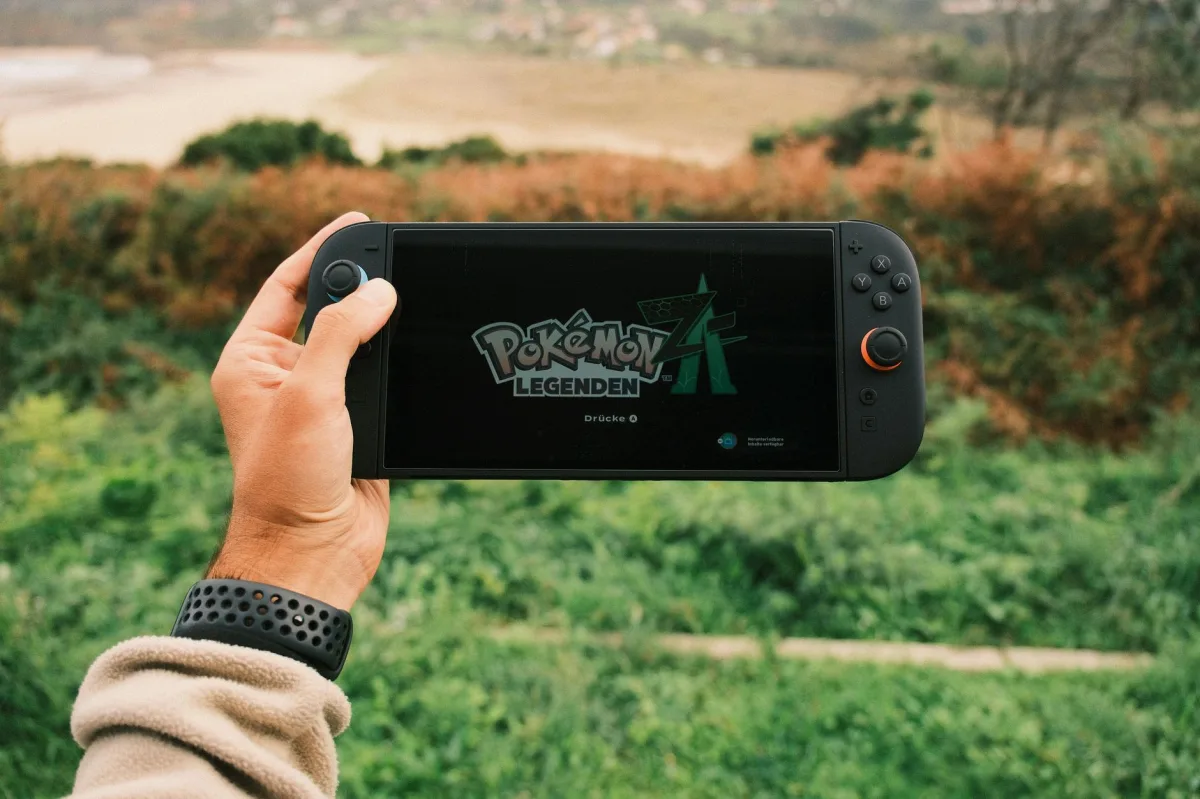
The franchise has moved decisively into two parallel lanes: action-RPG exploration on console (Pokémon Legends: Z-A, the open-world Scarlet and Violet generation) and live-service mechanics on mobile and PC (Pokémon GO, Pokémon Champions). According to a Nintendo Life beginner's primer on Pokémon Pokopia, crafting, storage, and daily-loop design now mirror the patterns found in survival-craft titles, which means 2026's Pokémon experience rewards planning, not just battling.
2026 Game Updates & Features
Three updates matter most this year. Pokémon Champions, covered in a games.gg beginner's guide, has stabilized its scouting economy and now offers one-way transfer from Pokémon GO and Pokémon Legends: Z-A via Pokémon HOME. Pokémon GO retains the same GPS-and-AR loop that made it a global hit, with berries, curveball throws, and Pinap Berry candy doubling. Console titles continue to push real-time combat: Pokémon Legends: Z-A folds in a dodge roll mechanic lifted from the Souls series, plus auto-battle leveling and the Picnic healing system.
Community and Competitive
Competitive play now lives primarily in Pokémon Champions' Ranked Battle ladder, with seasonal rule changes and Casual Battle as the no-stakes sandbox. Beginners who skip Ranked entirely can still feel the meta through friends, Discord servers, and the regular VGC (Video Game Championships) circuit that bleeds across titles. The competitive ceiling is high, but the floor in 2026 is dramatically lower than it was even two years ago thanks to built-in scouting trials and free starter rentals.
Prerequisites & Game Setup
System Requirements for 2026 Releases
For Pokémon Legends: Z-A on Nintendo Switch hardware, a steady internet connection and 10 GB of free storage are the realistic minimums. Pokémon Champions runs on mobile and Switch with modest requirements; Pokémon GO is the lightest entry point, available on both Google Play and the Apple App Store. Spellborne, the creature-collection RPG on PC, runs on standard browser-based specs and accepts Google or Apple sign-in.
Account & Game Installation Steps
Install the title of choice, sign in with a Nintendo Account, Google, or Apple ID, and create a save file. For mobile-first players, Spellborne's setup walkthrough recommends choosing one of three main characters (Atom, Bellatrix, or Cosmo) before clearing the first main story quest to unlock the next map area.
In-Game Settings for Optimal Performance
The first setting every new player should change is the camera. The default camera sits too close to the character and obscures approaching threats. The same Nintendo Life guide recommends increasing camera distance and remapping controls so the dodge roll, item wheel, and Pokémon send-out are within thumb reach. On mobile, enable high-accuracy GPS and disable battery saver mode to keep Pokémon GO from dropping your avatar off the map.
Building a Strong Team: Resources & Pokémon
Efficient Resource Allocation (PP, Life Coins, etc.)
PP is your energy meter; it drains when you perform actions and refills when you eat Leppa Berries, Carrots, or cooked meals. Early-game scarcity means you should stock both before you set out for a long route. Life Coins, the daily-loop currency in Pokopia, are best spent on recipes and furniture once you have storage in place, not before.
Selecting Pokémon for Early-Game Advantage
In Pokémon Legends: Z-A, Tepig is widely considered a forgiving first pick: well-rounded attack, defense, and HP give beginners a cushion. In Pokémon Champions, use the free Trial Scout (refreshes every 22 hours) to test a Pokémon's combat style before spending Victory Points. If you like the trial, convert it into a permanent recruit or use Regular Scout with VP to add it permanently to your roster.
Balancing Types and Movesets
A beginner team should cover at least three type quadrants: a physical attacker, a special attacker, and a defensive pivot. Avoid stacking two of the same type unless you have a specific synergy in mind. Imported Pokémon from Pokémon GO may know moves that do not exist in Champions, so plan a retraining pass after transfer.
Optimizing Crafting, Storage, and Quest Focus
Crafting Bench: Essential Items & Recipes
The crafting bench is your workhorse. Place it near resource nodes and pair it with a storage chest. The bench then pulls from the chest automatically, which frees you from running back and forth. Prioritize PP-restoring recipes, Hyper Potions, and any recipe that converts raw materials into stackable goods.
Storage Chest Management & Packing Tips
Buy Packing Tips first; they expand your personal inventory, which is the single biggest quality-of-life upgrade in the early game. PP Up expands your energy meter and pairs naturally with Packing Tips. Build at least one storage chest near the abandoned Pokémon Center early, then expand into later regions as you unlock fast travel. The pattern that wins: chest next to bench next to resource node.
Prioritizing Core Quests Over Daily Challenges
Daily Challenges are a steady trickle of Life Coins and items, but the heart of your progression sits in the main quest line. Knock out the core story missions first, then loop back for dailies when your routine is established. The reward density per minute is far higher in story content for the first 15-20 hours.
Combat Simplification: Dodge Roll Mastery
Mechanics of the Dodge Roll in 2026
The dodge roll is a quick evasive maneuver that lets your player character roll out of incoming attacks with brief invincibility frames. In Pokémon Legends: Z-A, this is the single biggest difference from the turn-based Pokémon Scarlet and Pokémon Violet generation. Treat it as a Souls-series tool: it is a panic button and a positioning tool, not a movement tool.
Timing and Positioning Tips
Roll into the attacker, not away from them, when you need to close distance safely. Roll away only when you see a wind-up animation. Boss AoE (Area-of-Effect) attacks are telegraphed by a red marker on the ground; if you see it, withdraw your active Pokémon and roll, then send it back in once the effect resolves.
Integrating Dodge Roll into Battle Strategy
Pair the dodge roll with the Let's Go auto-battle feature: send your lead Pokémon for auto battles while you traverse the overworld, and reserve manual dodge rolls for elite encounters and boss fights. Experience is shared across the party during auto battles, so the grind does not slow down just because you are multitasking.
Real-World Tradeoffs & Performance
Speed vs. Power: Choosing Moves
Fast moves generate energy but deal lower damage per second; charged moves hit hard but require buildup. In Ranked Battle formats, the meta usually rewards balanced coverage over , meaning a slightly slower move with better type matchup will out-perform a hard-hitting neutral move in the long run. Prioritize coverage first, second.
Resource Consumption vs. Long-Term Gains
Spending VP on Regular Scout is a long-term investment, while Ticket Scouting (Fast Coupons) shaves one hour off each wait time without spending VP. Beginners often over-spend VP on early recruits; resist that urge. The team you build at hour 20 is rarely the team you want at hour 100.
Player Experience on Different Platforms
On Switch, load times can drag during area transitions; fast travel mitigates this. On mobile, Pokémon GO's performance depends on GPS lock and cellular signal, and mixed reviews still cite graphical glitching in dense areas. Playing on PC via cloud streaming of console titles delivers the smoothest input latency for the dodge roll, but introduces visual compression.
Pros & Cons / Best Practices
Advantages of Early Crafting Approach
Crafting early converts raw, perishable materials into stackable, sellable goods, which keeps your inventory breathing room intact. It also unlocks recipes that pay dividends in mid-game, when resource demand spikes. Placing storage next to crafting benches is the single most time-saving layout decision in the entire game.
Potential Pitfalls of Overlooking Daily Challenges
Skip dailies for a week and you will feel it: Life Coins fund recipes and furniture, and missing a week puts you behind on cosmetic and functional unlocks. The mistake is doing dailies at the expense of the main story. The fix is to log in for 10 minutes, knock out the terminal, and get back to the quest.
Recommended Playstyle for New Players
The new-player loop in 2026 looks like this: secure PP and inventory, place a chest-bench combo near the first resource cluster, clear the first story arc, run a Trial Scout and a Regular Scout, and only then start chasing dailies. Resist the urge to spend currency on aesthetics until the team is stable.
Common Mistakes & Troubleshooting
Misusing PP and Berries
PP mismanagement is the number-one reason beginners fail mid-battle. Eat a Leppa Berry or Carrot before entering a tough encounter, not after. PP Up items raise the ceiling, so use them as soon as they are affordable. Berry effects do not stack, and the effect is nullified if the Pokémon breaks out of the ball, so do not chain berries in Pokémon GO expecting compound bonuses.
Storage Overload and Item Loss
Storage chests fill up fast, and once full, new materials drop on the ground where they can be lost. Build a second chest the moment the first hits 80% capacity, and place both next to a crafting bench so excess material is auto-converted into stackable items.
Combat Mistakes and How to Fix
The most common combat error is panic-rolling away from bosses, which puts the player in the corner of the arena with no escape route. Roll toward the boss, reposition, and use the Picnic system to heal between encounters. If a Pokémon's moves are missing after a transfer from Pokémon GO, retrain them at the move tutor.
Who Is This Guide Best For? (Persona Table)
| Target Persona | Recommended Option | Key Reason & Real-World Benefit |
|---|---|---|
| Casual Starter | Pokémon GO on mobile | Free to download, optional real-money purchases, GPS-driven play that fits short sessions. |
| Competitive Enthusiast | Pokémon Champions with Pokémon HOME transfer | Ranked ladder with seasonal rules, deep scouting economy, and access to imported legends. |
| Time-Constrained Player | Pokémon Legends: Z-A with auto-battle | Let's Go auto-battle plus fast travel and Picnic healing compress progress into 20-minute windows. |
| Resource Optimizer | Pokémon Pokopia with chest-bench layouts | Crafting and storage optimization turns a survival-craft loop into steady, low-stress progression. |