
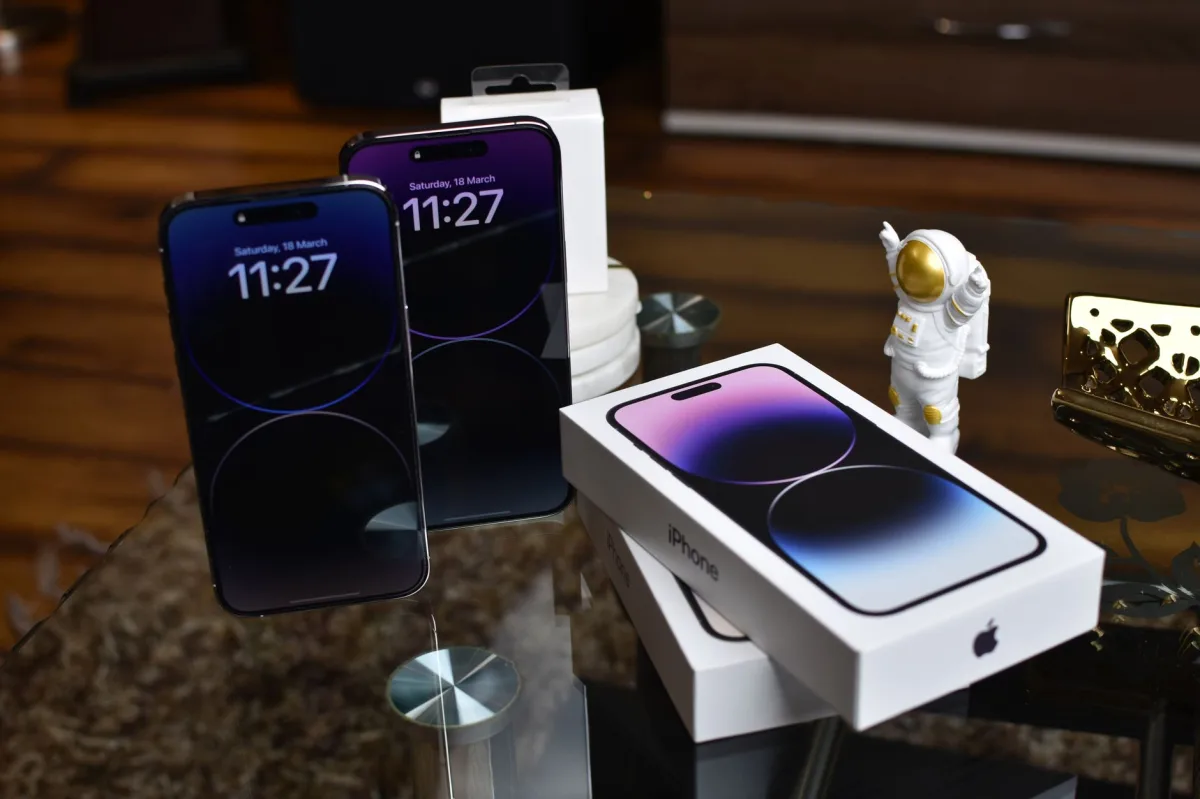
In early 2025 I signed a 24‑month lease for the iPhone 17 Pro 256 GB through Apple’s Upgrade Program. The experience gave me a clear view of how the lease works, what surprises appear at the end of the term, and whether the model truly saves money compared with buying outright. Below is a practical walk‑through combined with the hard facts you need to decide if the program fits your lifestyle.
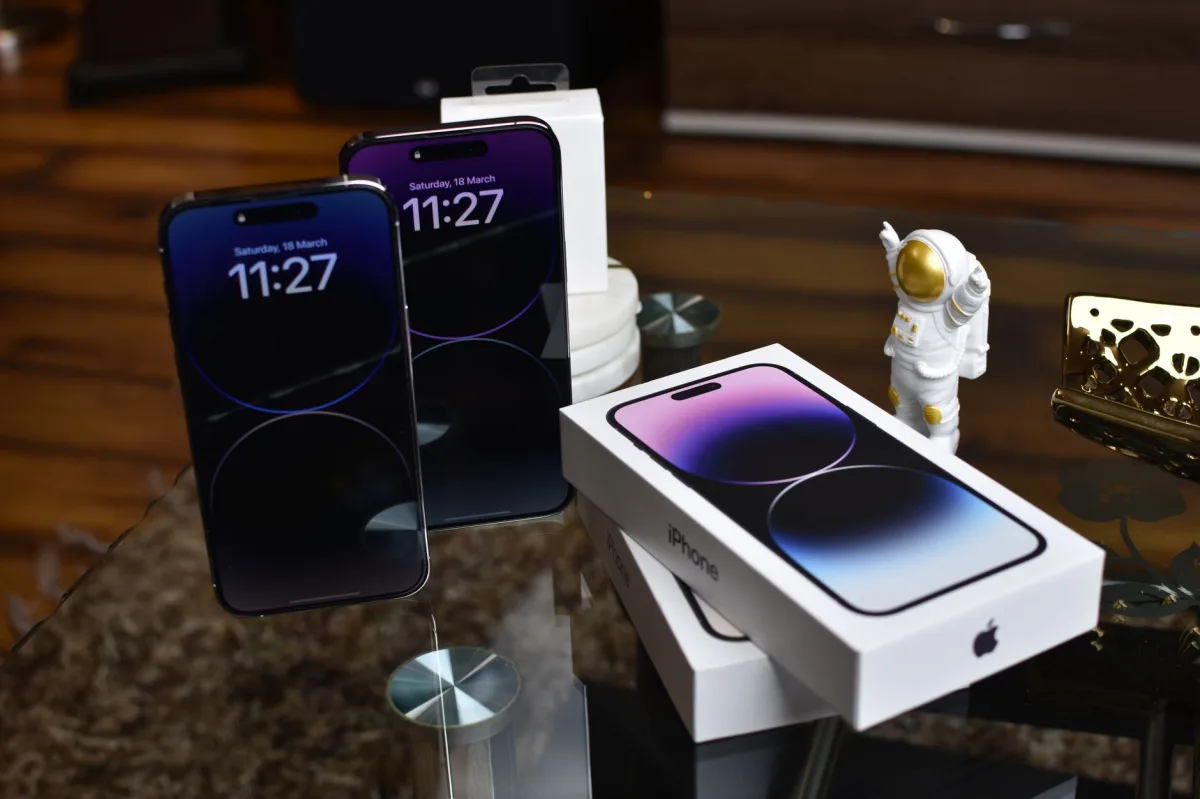
Overview & Quick Answer – What Is the Apple iPhone Upgrade Program?
Definition: The Apple iPhone Upgrade Program is a hardware‑leasing service backed by Citizens Bank (operating as Citizens One). It lets you use a brand‑new iPhone for 12 or 24 months, paying a fixed monthly fee. At the end of the term you can (1) start a new lease on the latest model, (2) purchase the current device for a pre‑set residual price, or (3) return it with no further obligation.
How Does the 2026 Program Differ From Earlier Versions?
Earlier iterations of the program required a bundled AppleCare+ plan and forced a 12‑month upgrade cycle. The 2026 version removes the mandatory AppleCare+ bundle, adds a 24‑month option, and continues to be financed through Citizens Bank, which has been the program’s lessor since its launch.
Eligibility Basics
To enroll you need a soft credit pull, a post‑paid carrier plan with AT&T, Verizon, or T‑Mobile, and a U.S. billing address. Applicants must be at least 18 years old. The program currently supports the flagship iPhone models—iPhone 17, iPhone 17 Pro, and iPhone 17 Pro Max—with storage options up to 256 GB.
Why the Apple iPhone Upgrade Program Matters in 2026
Apple’s Revenue Strategy & Seasonal Stabilization
Apple smooths its quarterly earnings by converting a single‑sale spike into a steady stream of lease payments. Each lease creates recurring revenue over 12 or 24 months, which helps flatten the seasonal dip that usually follows a September launch.
Predictable Upgrade Cycle for Consumers
More shoppers now treat premium smartphones as a subscription. The lease lets you enjoy the newest camera system and display tech without a large cash outlay, which is especially appealing to professionals who need the latest performance for photo‑editing or video work.
Impact on Carrier Financing
Because the device payment is handled separately from the carrier contract, Apple captures a larger slice of the total spend. Carriers still compete on data bundles and service quality, but they lose the device‑subsidy leverage they once enjoyed.
Real User Experience
“I started my 24‑month lease in March 2025. The monthly charge was $49, and I added AppleCare+ for $9.99 per month. At the 24‑month mark I chose to keep the phone and paid the $300 residual. Overall I spent $1,476, which is $150 more than buying the phone outright with Apple Card installments, but the cash‑flow advantage helped me stay within my monthly budget.” — Jordan M., freelance photographer, Seattle
Persona Guidance – Who Benefits Most?
| Target Persona | Recommended Option | Key Reason & Real‑World Benefit |
|---|---|---|
| Tech Enthusiast on a Budget | 24‑month lease on iPhone 17 Pro 256 GB with trade‑in | Low monthly cash outflow, always has the latest camera and ProMotion display. |
| Frequent Upgrader Seeking Latest Features | 12‑month lease on iPhone 17 Pro, then roll over | Maximum upgrade frequency, no resale hassle. |
| Credit‑Sensitive User | Buy outright with Apple Card Monthly Installments (0 % APR) | Builds ownership equity, no lease‑related credit risk. |
| Corporate Fleet Manager | 24‑month fleet lease on iPhone 17 Pro, AppleCare+ added | Predictable expense for budgeting, bulk AppleCare+ coverage. |
| Parent Buying for a Teen | 12‑month lease on iPhone 17 (128 GB) with parental controls | Controls cost, allows upgrade as the teen’s needs evolve. |
| Small‑Business Owner | 24‑month lease on iPhone 17 Pro, AppleCare+ + Apple Business Essentials | Deductible lease payments, device protection, and easy device management. |
Cost Comparison – Lease vs. Installments vs. Carrier Financing
| Financing Option | Term | Monthly Payment | Total Paid (incl. taxes) | Residual / End‑of‑Term Cost |
|---|---|---|---|---|
| Apple iPhone Upgrade Program (Citizens Bank) | 24 months | $49 (average for iPhone 17 Pro 256 GB) | $1,176 | $300 to own the device |
| Apple Card Monthly Installments (0 % APR) | 24 months | $46 (plus sales tax) | $1,104 + tax | None – device owned at end |
| Carrier Financing (0 % APR, 24 months) | 24 months | $48 + $30 activation fee | $1,182 + tax | None – device owned at end |
| Apple iPhone Upgrade Program | 36 months (not offered) | — | — | — |
| Apple Card Monthly Installments | 36 months | $31 (plus sales tax) | $1,116 + tax | None – device owned at end |
| Carrier Financing | 36 months | $32 + $30 activation fee | $1,182 + tax | None – device owned at end |
How the Leasing Structure Works
Monthly Payment Calculation
The lease amount equals the device’s MSRP minus any trade‑in credit, divided by the chosen term. For the iPhone 17 Pro 256 GB (MSRP $1,099) with a $200 trade‑in, the 24‑month lease works out to roughly $49 per month.
AppleCare+ Coverage
AppleCare+ is sold separately. You can add a subscription for $9.99 per month or pay $199 up‑front. Coverage stays active as long as the lease is in force; returning the device early ends the AppleCare+ contract.
Citizens Bank Financing Terms
Citizens Bank provides a 0 % interest lease with no hidden fees. Payments are auto‑debit from your linked card. If three payments are missed, the lease is terminated, the full balance becomes due, and the default is reported to credit bureaus.
Hidden Fees & Residual Buyout Explained
Early Termination Charges
Ending the lease before the agreed term incurs a fee equal to the remaining monthly payments plus a $50 administrative cost. This makes early buyouts costly.
Wear & Tear Fees
Returned devices are inspected for cosmetic damage, battery health below 80 %, and missing accessories. Deductions range from $20 for minor scuffs to $200 for severe damage.
Residual Buyout Pricing Dynamics
The residual amount is set at lease start and mirrors Apple’s projected depreciation curve. It does not adjust for market fluctuations, so you may end up paying more than a comparable used device on the secondary market. Because the lease is advertised as 0 % interest, the residual effectively acts as an interest component: the $300 buyout on a $1,099 phone adds roughly 2.7 % annualized cost over the 24‑month term.
Flexible End‑of‑Term Options
Trade‑In Process & Value Estimation
When you choose to upgrade, Apple evaluates your device’s condition using the same algorithm as its Trade‑In program. The estimated credit is applied as a down‑payment on the new lease.
Buyout Options & Residual Price
If you decide to keep the phone, you pay the pre‑published residual price (approximately 25 % of MSRP). The payment is due in a single transaction through the Citizens Bank portal.
Return & Refund Policies
Returning the device in pristine condition releases you from any further lease obligations. Monthly payments already made are not refundable.
Day in the Life: From Enrollment to Upgrade
Step 1 – Enrollment (Day 1)
You browse Apple.com, select the iPhone 17 Pro 256 GB, and choose the 24‑month lease. The checkout flow prompts a soft credit pull, asks for your carrier plan, and offers AppleCare+ as an optional add‑on. After confirming the payment method, Citizens Bank runs the credit check and returns an instant approval.
Step 2 – First Month (Weeks 1‑4)
The device ships within three business days. You set up autopay in the Citizens Bank app, activate the phone on your carrier, and, if you opted in, enroll in AppleCare+. The first $49 lease payment is captured on the day of shipment.
Step 3 – Mid‑Term Checkpoint (Month 12)
At the 12‑month mark you receive an email reminding you of the upcoming decision point. You can either (a) continue the lease for another 12 months, (b) start a new lease on the iPhone 18 series (when available), or (c) pay the $300 residual to own the current phone.
Step 4 – End‑of‑Term (Month 24)
If you elect to upgrade, you drop off the device at an Apple Store or schedule a pickup. Apple inspects it, applies any wear‑and‑tear deductions, and credits the estimated trade‑in value toward your next lease. If you choose to keep the phone, you log into the Citizens Bank portal, pay the $300 residual, and the device officially becomes yours.
Total Cost of Ownership Over 4 Years
To illustrate long‑term economics, compare three scenarios for the same iPhone 17 Pro 256 GB:
- Two consecutive 24‑month leases. You pay $49 × 24 = $1,176 for the first term, then another $49 × 24 = $1,176 for the second term (after a $150 trade‑in credit on the upgrade). Total cash outlay: **$2,202**.
- Buy outright with Apple Card installments (0 % APR) and keep for 4 years. Monthly payment $46 × 24 = $1,104 plus sales tax (≈ $90). No residual. Total cash outlay: **$1,194**.
- Buy outright and sell on the secondary market after 2 years. Purchase cost $1,104 + tax, then sell the device for an estimated $600. Net cost after two years: **$594** plus the second‑year financing of $46 × 12 = $552, for a 4‑year total of **$1,146**.
From a pure cash‑out perspective, buying and holding (or reselling) is cheaper than leasing twice. However, the lease provides a predictable monthly expense, immediate access to the newest hardware, and eliminates the hassle of selling a used device. Your decision should weigh cash flow preferences against total cost.
When NOT to Use the Apple iPhone Upgrade Program
- You plan to keep a phone for three years or more. The residual buyout and cumulative lease payments typically exceed the retail price of the device.
- You need the lowest possible total cost. Buying outright with Apple Card installments or a carrier‑free purchase usually wins on total spend.
- You have limited credit flexibility. Missed payments trigger collections and can damage your credit score.
- You rely heavily on AppleCare+. Since coverage is optional, the combined monthly cost of lease + AppleCare+ can approach the price of buying the phone with a bundled protection plan.
Common Mistakes & Troubleshooting
Misreading the Terms & Conditions
Many users assume the lease includes AppleCare+ or that they can upgrade after 12 months. Double‑check the contract summary before signing.
Overlooking the Residual Buyout
Failing to budget for the end‑of‑term payment leads to surprise expenses. Use Apple’s lease calculator to estimate the buyout ahead of time.
Handling Late Payments & Collections
Set up autopay in the Citizens Bank app immediately. If a payment fails, contact the bank within 24 hours to avoid escalation.
Pros & Cons – Is It Worth It?
Pros
- Low monthly cost spreads the price of a flagship iPhone.
- Upgrade to the newest hardware every 24 months without resale hassle.
- Soft credit check simplifies approval.
- Device payment is separate from carrier contract, giving you flexibility to switch carriers.
Cons
- Total outlay can exceed the retail price if you keep the device.
- Missing payments can damage your credit and trigger collections.
- AppleCare+ must be purchased separately, adding to the monthly bill.
- Early termination fees make mid‑term exits expensive.
Final Recommendation
If you prefer a predictable cash flow, enjoy swapping to the newest iPhone every two years, and are comfortable managing a lease‑related credit line, the Apple iPhone Upgrade Program remains a solid choice. For users who plan to hold a phone for three years or more, buying outright with Apple Card Monthly Installments typically results in a lower overall cost.
How to Apply & Enroll
- Visit Apple.com and select the desired iPhone model.
- Choose a 12‑ or 24‑month lease term.
- Complete the Citizens Bank credit application (soft pull).
- Add AppleCare+ if you want accidental‑damage protection.
- Confirm your post‑paid carrier plan and submit.
- Set up autopay in the Citizens Bank app and await device shipment.
Resources & Further Reading
- Apple’s official iPhone Upgrade Program page (2026).
- Citizens Bank leasing FAQ.
- Apple Trade‑In valuation tool.
- Comparison of Apple Card Monthly Installments vs. leasing.