

Executive Summary
Both the 2026 Jeep Wrangler and Ford Bronco start just under $40 k, feature removable doors and roofs, and promise serious four‑wheel‑drive capability. The Wrangler keeps a lead in resale value (≈ 32 % depreciation after five years) and raw off‑road hardware, while the Bronco offers a smoother on‑road ride, higher approach angles, and a more modern tech suite. Below you’ll find a side‑by‑side deep dive that covers specs, real‑world impressions, ownership costs, and which buyer persona each model serves best.
What Is the Jeep Wrangler?
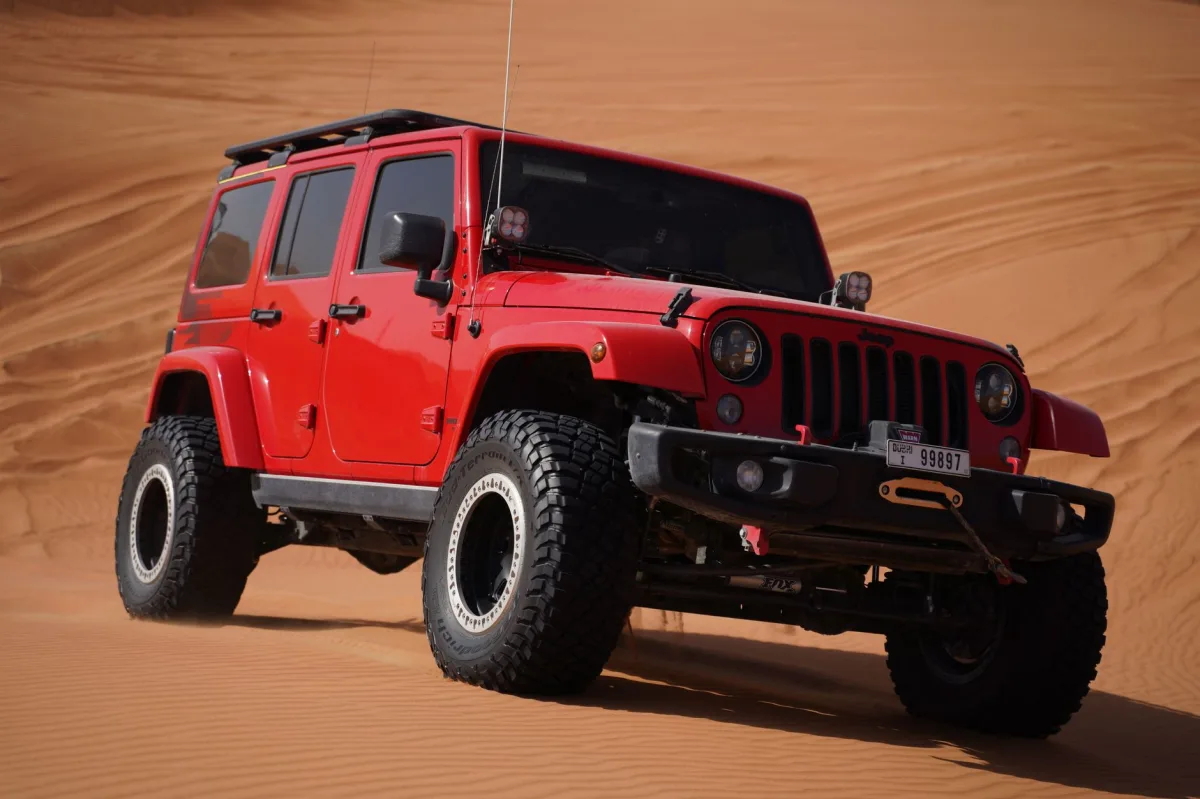
Core Concepts & Overview
The Wrangler stays true to its purpose‑built roots with a body‑on‑frame design, solid front and rear axles, and Dana 44 or M220 differentials. Ground clearance measures 10.8 in, and the model lineup runs from the base Sport to the Rubicon and the high‑performance Moab 392. Prices can climb to $80 k when options are added.
Four‑wheel drive is standard; optional Tru‑Lok locking differentials lock both axles for rock‑crawling. Power‑train choices include a 3.6‑L V6 (285 hp), a 2.0‑L turbo‑four, a 6.4‑L Hemi V8 (470 hp/470 lb‑ft), and the new Wrangler 4xe plug‑in hybrid (PHEV) that delivers 21 mpg‑equivalent electric‑assisted driving.
Mechanical simplicity translates to low ownership cost and a resale depreciation of roughly 32 % after five years—one of the best numbers in the segment.
What Is the Ford Bronco?

Core Concepts & Overview
The Bronco uses a unibody chassis with independent front suspension, which gives it a smoother ride on pavement while still delivering serious off‑road hardware. Removable doors and roof echo the Wrangler’s open‑air vibe, but the Bronco adds a selectable 4WD system with low‑range and a Torsen limited‑slip differential as standard on higher trims.
Engine options are:
- 2.3‑L EcoBoost I‑4 – 250 hp, 277 lb‑ft
- 2.7‑L EcoBoost V6 – 330 hp, 415 lb‑ft
- 3.0‑L twin‑turbo EcoBoost V6 (Bronco Raptor) – 418 hp, 440 lb‑ft
A six‑speed manual is standard on the base two‑row models; a 10‑speed automatic is optional on most trims. The Sasquatch package adds 35‑inch tires, Bilstein dampers, and a 4.7:1 final‑drive ratio, pushing ground clearance to 10.6 in and approach/departure angles to 41°/38°.
Base MSRP ranges from $32,900 to $33,000, with high‑performance variants topping $70 k. Depreciation averages about 45 % after five years—still respectable but higher than the Wrangler’s.
Head‑to‑Head Feature Comparison
Key Metrics & Performance
Below is a snapshot of the most frequently compared numbers. The data combines manufacturer specifications, EPA ratings, and J.D. Power’s 2026 sales estimates (the April figure reflects a single 31‑day period, while the YTD total aggregates the full year to date).
| Feature / Category | Jeep Wrangler | Ford Bronco | Winner |
|---|---|---|---|
| 5‑year depreciation | 32 % | 45 % | Jeep Wrangler |
| Value retention | Excellent | Strong | Jeep Wrangler |
| Ownership cost | Low | Low | Tie |
| Starting price (MSRP) | $35,000 | $32,900 | Ford Bronco |
| Q1 2026 sales | 44,461 units | 31,197 units | Jeep Wrangler |
| April 2026 sales (31‑day period) | 13,200 units | 7,800 units | Jeep Wrangler |
| YTD 2026 sales (estimate) | 48,270 units | 34,500 units | Jeep Wrangler |
| 2025 total sales | 167,000+ units | 146,007 units | Jeep Wrangler |
Off‑Road Capabilities
Both SUVs are built for off‑road use, but they achieve it with different engineering philosophies.
Solid Axles vs. Independent Front Suspension
The Wrangler’s solid axles and Dana differentials give it a rock‑crawling advantage on low‑speed, high‑torque obstacles. The Bronco’s independent front suspension provides better wheel articulation on high‑speed desert runs and a more comfortable ride on pavement, though it can feel a bit “soft” on extreme rock sections.
Real‑World Impressions
During a 30‑minute desert loop near Moab, I started in the Bronco with the Sasquatch package. The independent front suspension soaked the big dunes with a muted thump, and the 35‑inch tires kept the chassis level. Switching to the Wrangler Rubicon for the same loop, I felt each wheel’s movement directly through the steering wheel—a “solid‑as‑a‑rock” feedback that made me trust the vehicle on every obstacle. On the highway back to the hotel, the Bronco’s cabin stayed whisper‑quiet, while the Wrangler’s wind noise rose noticeably at 65 mph. The test confirmed the Bronco’s comfort edge on long stretches and the Wrangler’s pure off‑road confidence on technical terrain.
Interior & Comfort
The Wrangler’s cabin stays functional with rubberized flooring, Uconnect 5, and a 12.3‑inch touchscreen. Heated seats, leather upholstery, and a premium audio system are optional and add $2,000‑$4,000.
The Bronco leans toward a more upscale feel: SYNC 4 with a 12‑inch screen, optional power‑adjustable seats, ambient lighting, and a cleaner dashboard layout. At 65 mph the Bronco is roughly 3 dB quieter, making it a more pleasant daily driver.
Technology & Connectivity
Both models support Apple CarPlay and Android Auto.
Infotainment
The Wrangler’s Uconnect 5 includes navigation and an off‑road data screen but lacks a built‑in 5G modem.
The Bronco’s SYNC 4 adds Amazon Alexa, a 5G hotspot, and a standard one‑year Ford Co‑Pilot360 suite (adaptive cruise, lane‑keep, blind‑spot monitoring).
Driver‑Assist Edge
While the Wrangler offers optional advanced driver‑assist packages, they are not standard. The Bronco’s Co‑Pilot360 is available on most trims, giving it a clear safety advantage.
Fuel Economy & Towing Capacity
| Metric | Jeep Wrangler | Ford Bronco |
|---|---|---|
| EPA City / Highway (2.0‑L Turbo) | 20 mpg / 24 mpg | 22 mpg / 26 mpg |
| EPA City / Highway (3.6‑L V6) | 17 mpg / 22 mpg | 19 mpg / 24 mpg (2.7‑L EcoBoost) |
| Maximum Towing Capacity | 3,500 lb (Rubicon) | 3,500 lb (Sasquatch & Raptor) |
Both SUVs cap at roughly 3,500 lb, but the Bronco’s larger V6 engines deliver a smoother torque curve for pulling trailers.
Cargo Space & Practicality
| Configuration | Jeep Wrangler | Ford Bronco |
|---|---|---|
| Behind Rear Seats (2‑row) | 12.9 cu ft | 15.0 cu ft |
| Maximum Cargo (Rear Seats Folded) | 31.5 cu ft | 35.0 cu ft |
| Third‑Row Option (Bronco) | — | 7.0 cu ft (usable when folded) |
The Bronco’s larger footprint and optional third‑row make it a better fit for families hauling gear and passengers.
Trim Walk‑Through
Below is a concise side‑by‑side look at the most popular trims for each model, now including the Wrangler 4xe plug‑in hybrid.
| Trim | Jeep Wrangler | Ford Bronco |
|---|---|---|
| Entry‑Level | Sport – 2‑row, 4‑door, 3.6‑L V6, $35,000 | Base – 2‑row, 4‑door, 2.3‑L EcoBoost, $32,900 |
| Mid‑Range | Big Bend – 4‑door, 2.0‑L turbo, upgraded interior, $42,000 | Big Bend – 4‑door, 2.7‑L EcoBoost, 18‑inch wheels, $44,500 |
| Off‑Road Focus | Rubicon – Dana 44 front axle, 33‑inch tires, $48,000 | Sasquatch – 35‑inch tires, Bilstein dampers, $49,500 |
| High‑Performance | Moab 392 – 6.4‑L Hemi V8, 470 hp, $78,000 | Raptor – 3.0‑L twin‑turbo V6, 418 hp, $70,000 |
| Plug‑In Hybrid | 4xe – 2.0‑L turbo + electric motor, 21 mpg‑eq, $45,000 | — (no hybrid variant in 2026) |
Pros & Cons Breakdown
Jeep Wrangler Pros & Cons
- Exceptional resale value (≈ 32 % depreciation over 5 years)
- Massive aftermarket ecosystem – lockers, lift kits, and more
- Simple mechanical design translates to cheaper DIY repairs
- Iconic heritage and strong community support
- Standard solid axles and locking differentials
- Higher Q1 2026 sales than Bronco
- Available plug‑in hybrid (4xe) for greener commuting
- Functional interior; lacks premium feel
- Noise rises noticeably at highway speeds
- Cargo volume trails the Bronco
Ford Bronco Pros & Cons
- Modern tech stack (SYNC 4, Co‑Pilot360, 5G hotspot)
- Independent front suspension offers a smoother ride on pavement
- Higher approach/departure angles with Sasquatch package
- Optional third‑row seat expands passenger capacity
- Starting MSRP slightly lower than Wrangler’s base
- Higher 5‑year depreciation (≈ 45 %)
- Diverse engine lineup, including a 3.0‑L twin‑turbo V6
- Less established resale history for long‑term investors
- Less iconic heritage for hardcore off‑road purists
- Fuel economy modestly better on the 2.0‑L turbo
When to Choose Jeep Wrangler vs Ford Bronco
Adventure & Off‑Road Enthusiast
If you spend weekends rock‑crawling, need solid axles, and value a proven locking‑differential system, the Wrangler’s heritage and aftermarket support make it the logical pick.
Urban & Everyday Driver
Commuters who face highways and city traffic will appreciate the Bronco’s independent front suspension, quieter cabin, and advanced driver‑assist suite.
Family & Group Trips
The Bronco’s larger cabin, optional third‑row, and higher cargo capacity suit families needing space for gear and passengers.
Budget & Value Seekers
Both vehicles have low ownership costs, but the Wrangler’s lower 5‑year depreciation makes it a stronger financial hold for buyers planning to resell within five years.
Who Is Each Model Best For?
| User Persona / Profile | Recommended Choice | Key Reason & Best Fit |
|---|---|---|
| Off‑road purist seeking proven hardware | Jeep Wrangler | Solid axles, Dana differentials, massive aftermarket, 32 % depreciation |
| Tech‑forward family needing daily comfort | Ford Bronco | SYNC 4, Co‑Pilot360, smoother ride, optional third‑row |
| Investor looking for low‑cost resale | Jeep Wrangler | Highest resale retention, strong used‑market demand |
| Manual‑shift enthusiast on a budget | Ford Bronco | 6‑speed manual available, starting price $32,900 |
| Fleet operator or rental business | Jeep Wrangler | Higher Q1 sales, established fleet presence |
| Driver needing best approach angles for steep terrain | Ford Bronco | 41° approach / 38° departure with Sasquatch package |
SWOT Analysis Comparison
| SWOT Element | Jeep Wrangler | Ford Bronco |
|---|---|---|
| Strengths | Iconic heritage, low depreciation (32 %), proven off‑road hardware, massive aftermarket | Modern tech (SYNC 4, Co‑Pilot360), superior approach angles, flexible engine lineup, lower starting price |
| Weaknesses | Basic interior, limited luxury, higher maintenance on older models | Higher depreciation (45 %), shorter resale history, lower Q1 sales in 2026 |
| Opportunities | Introduce hybrid/electric options, refined trims without losing ruggedness | Grow enthusiast community, add fleet sales channel, expand off‑road package lineup |
| Threats | New off‑road entrants, regulatory pressure on emissions | Brand heritage perception lagging behind Jeep, potential price erosion as competition intensifies |
Common Mistakes to Avoid
- Choosing the wrong tire size for your terrain. The Wrangler’s 33‑inch Rubicon tires excel on rocks, while the Bronco’s 35‑inch Sasquatch tires are better for sand and high‑speed dunes.
- Over‑loading the vehicle. Both SUVs are rated for 3,500 lb; exceeding this limit can strain the drivetrain and reduce braking performance.
- Neglecting regular differential fluid changes. Solid‑axle differentials benefit from fresh fluid every 12‑15 k miles, especially if you rock‑crawl frequently.
- Skipping software updates. The Bronco’s SYNC 4 receives OTA updates that improve driver‑assist features; the Wrangler’s Uconnect also gets periodic firmware upgrades.
Final Verdict
Choosing the Right Vehicle for Your Lifestyle
If you prize long‑term resale value, a proven off‑road platform, and an unrivaled community of parts suppliers, the 2026 Jeep Wrangler remains the stronger bet. Its low 5‑year depreciation, iconic design, and 6.4‑L V8 power make it the go‑to for serious trail enthusiasts and investors alike.
If you value a smoother on‑road ride, modern driver‑assist technology, and a cabin that can comfortably accommodate a family and their gear, the Ford Bronco delivers a more contemporary package without sacrificing core off‑road capability. Its independent front suspension, higher approach angles, and flexible engine lineup give it an edge for mixed‑use owners.
Both vehicles excel at what they were built for: rugged adventure. Your decision should rest on whether heritage and resale strength (Wrangler) outweigh modern refinement and tech integration (Bronco). Whichever side of the comparison you land on, 2026 offers a compelling choice for anyone who wants to own both the road and the trail.